
Bogotá is stepping up security and emergency preparations ahead of Sunday’s presidential runoff, deploying more than 12,500 police officers across the Colombian capital while easing alcohol restrictions after reaching a compromise with the city’s hospitality sector during the FIFA World Cup.
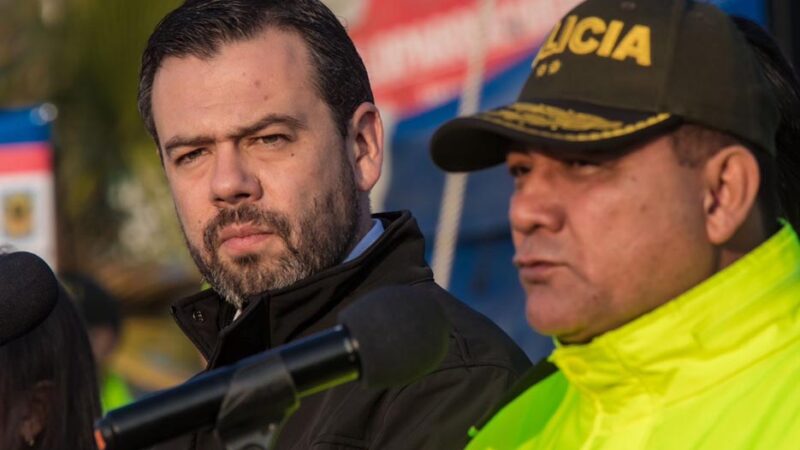
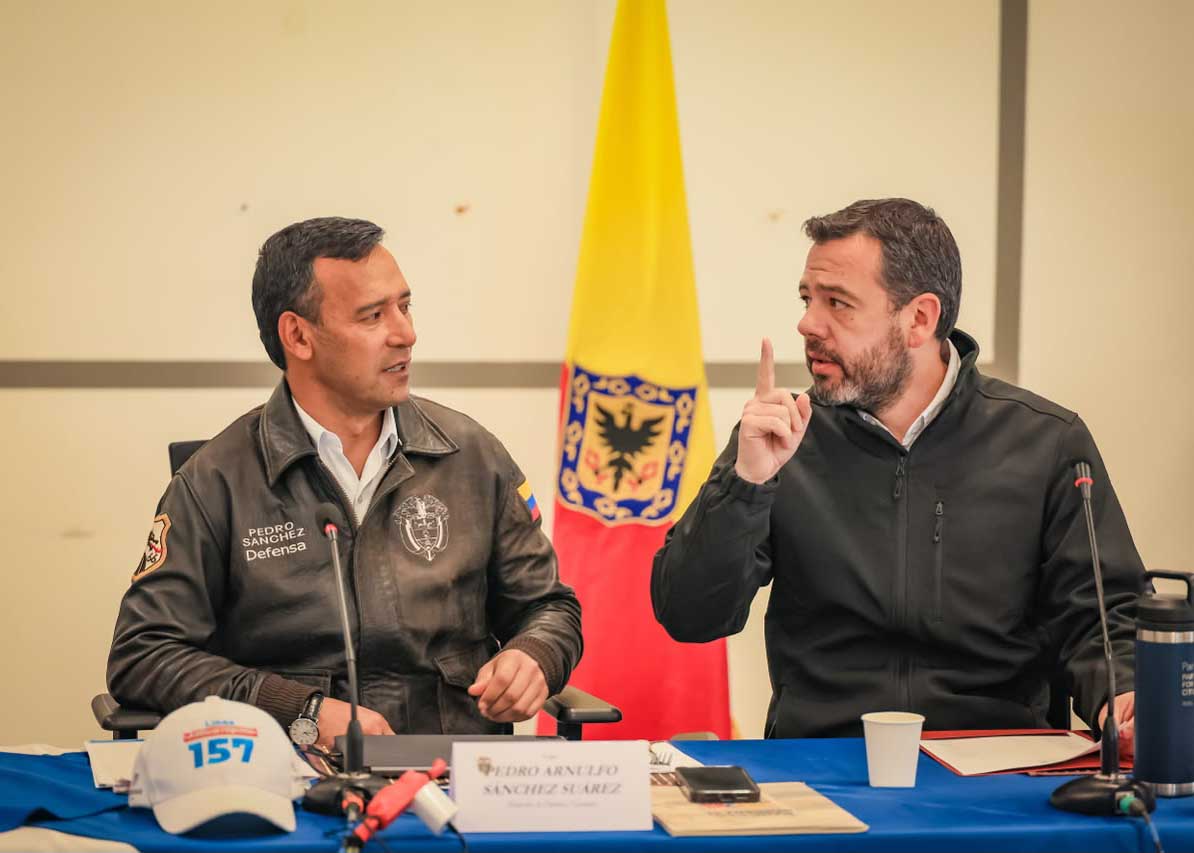
Mayor Carlos Fernando Galán and Defence Minister Pedro Sánchez chaired a high-level Security Council meeting on Thursday attended by senior military commanders, police officials, representatives of the national government, electoral authorities and oversight agencies to coordinate the final operational details before Colombians return to the polls on June 21.
The measures come as Colombia prepares for one of the most consequential presidential elections in decades, with authorities seeking to reassure voters that the democratic process will be conducted under secure and transparent conditions despite heightened political tensions.
“It was an important meeting at this moment to review how we are working together to guarantee the development of the second-round presidential election,” Galán said following the meeting.
The mayor said Bogotá has been implementing contingency plans since April to support the electoral process and ensure that citizens are able to exercise their constitutional right to vote safely.
Among the measures announced is the activation of a special emergency services coordination centre that will prioritize responses to any disruption affecting electricity, telecommunications, public transportation, water supplies and traffic management throughout election day.
The capital will also establish a central Unified Command Post (PMU), alongside command centres in each of Bogotá’s 20 localities, allowing authorities to monitor events in real time and respond rapidly to any security or logistical incidents.
Police will deploy approximately 12,500 officers across the city, supported by an additional 2,500 district officials responsible for assisting voters, coordinating public services and helping maintain order at polling stations.
Authorities said security forces will also oversee the distribution of ballot papers, protect electoral materials throughout the voting process and accompany their transfer for official vote counting once polls close.
Galán stressed that safeguarding Colombia’s democratic institutions remained the city’s overriding priority. “Our responsibility is to ensure that citizens can vote freely and that the electoral system enjoys every guarantee before, during and after election day,” the mayor said.
He added that national and local authorities had committed themselves to coordinating closely under the government’s nationwide “Plan Democracia,” which brings together the armed forces, police and civilian agencies to protect polling stations and maintain public order.
“The legitimacy of the electoral system depends upon ensuring that the entire process unfolds without disruption,” Galán said. “Every institution must fulfil its responsibilities so that election day proceeds peacefully and in full compliance with electoral law.”
The mayor also appealed for calm regardless of the outcome, urging Bogotá residents to respect the official results and avoid actions that could undermine public confidence in the electoral process.
Authorities are expecting another high turnout after more than 65% of eligible voters in Bogotá participated in the first round of the presidential election. Officials believe participation could increase further in Sunday’s decisive vote, potentially generating longer queues at polling stations.
“We encourage citizens to vote early,” Galán said. “That will help avoid unnecessary waiting times and contribute to a smoother electoral process.”
In a move welcomed by many business owners, Bogotá’s administration also announced a last-minute adjustment to the city’s alcohol restrictions for the election weekend.
The so-called ley seca, or dry law, will now begin at midnight on Saturday, June 20, rather than at 6 p.m. on Friday as originally planned. The restrictions will remain in force until noon on Monday, June 22.
Secretary of Government Gustavo Quintero said the decision followed consultations with representatives of Bogotá’s bars and restaurants, who warned that an earlier ban would significantly affect trade during the FIFA World Cup, when football supporters are expected to gather in large numbers to watch international matches.
The revised schedule allows businesses to operate normally on Friday evening while preserving alcohol restrictions throughout election day and during the immediate post-election period, when authorities consider maintaining public order to be essential.
Bogotá, home to the country’s largest concentration of registered voters, is expected to play a decisive role in determining Colombia’s next president. Security measures in the capital form part of a broader nationwide operation designed to safeguard polling stations, electoral officials and ballot transportation across the country.
Authorities have also identified more than 100 locations across Bogotá as potential targets for vandalism or public disorder during and after Sunday’s vote, prompting additional security measures. The sites include police stations, neighbourhood police command posts (CAIs), government buildings and other strategic infrastructure
For many Colombians, Sunday’s vote represents not only the conclusion of a closely fought presidential race but also a critical test of the country’s democratic institutions. Authorities say their objective is to ensure that every voter can cast a ballot freely and that confidence in the electoral process remains intact from the opening of polling stations to the certification of the final results.