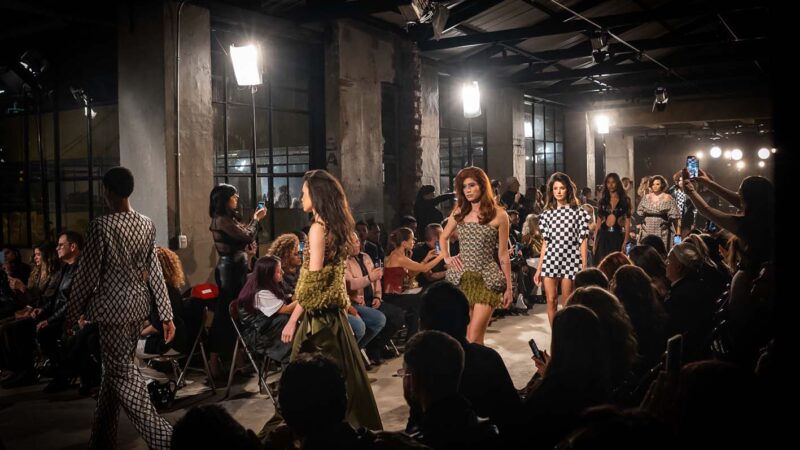

ARTBO Weekend returns to Bogotá this week with a milestone worth noting – and a programme that suggests the event is no longer content with staying within its traditional comfort zones.
Celebrating its tenth edition from April 16 to 19, the city-wide initiative organized by the Bogotá Chamber of Commerce (CCB) arrives bigger, more dispersed and arguably more ambitious than ever. With over 160 free activities, 86 participating spaces and 280 artists from 27 countries, the numbers alone tell a story of steady expansion. But the real shift this year is geographic.
For the first time, ARTBO Weekend – Fin de Semana – pushes decisively into new territory. The addition of Kennedy, Nogal and Chicó as official circuits marks a deliberate move away from the event’s familiar enclaves. It is, in many ways, a statement about where Bogotá’s art scene is headed – or where it wants to go.
Kennedy stands out. Historically on the fringes of the city’s cultural programming, the district’s inclusion is more than symbolic. The reopening of the Chamber of Commerce’s exhibition space in the area signals a longer-term investment in decentralising Bogotá’s art ecosystem. It also raises a question that has hovered over ARTBO Weekend in recent years: who, exactly, is the event for?
For organisers, the answer has consistently been “everyone.” And, on paper, that commitment holds. Entry remains free across all venues, and the programme spans everything from gallery exhibitions and museum shows to performances, workshops, talks and editorial launches. The addition of complimentary transport routes – the Bus ARTBO – helps bridge the distances between circuits, turning what could be a logistical challenge into something closer to an urban stroll.
Still, navigating ARTBO Weekend requires a degree of planning. Bogotá is not compact, and its art circuits are spread across distinct neighbourhoods, each with its own pace and character. San Felipe, long considered the epicentre of the contemporary gallery scene, remains a reliable starting point, particularly for first-time visitors. Chapinero offers a more eclectic mix, where independent spaces sit alongside institutional venues, while the Centro Histórico provides a slower, more contemplative route through museums and heritage sites.
This year, however, the draw may well lie in the unfamiliar. Kennedy’s circuit promises a different rhythm – less polished, perhaps, but more reflective of the city’s broader social fabric. Chicó and Nogal, by contrast, introduce a more polished, design-forward dimension to the programme, expanding the conversation beyond traditional gallery spaces.
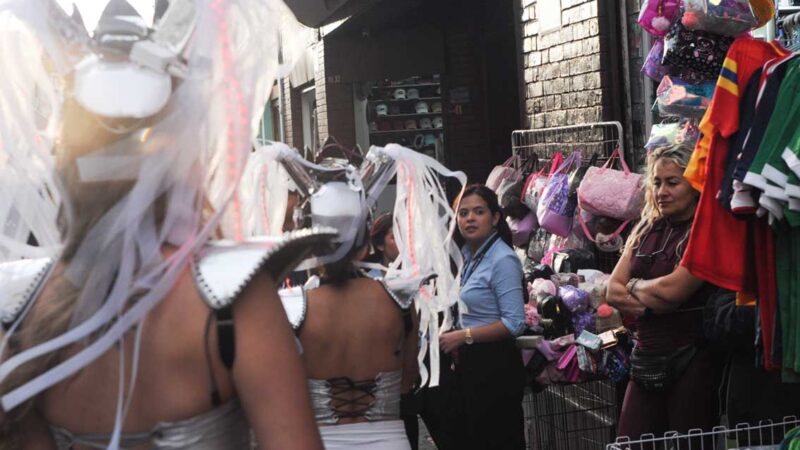
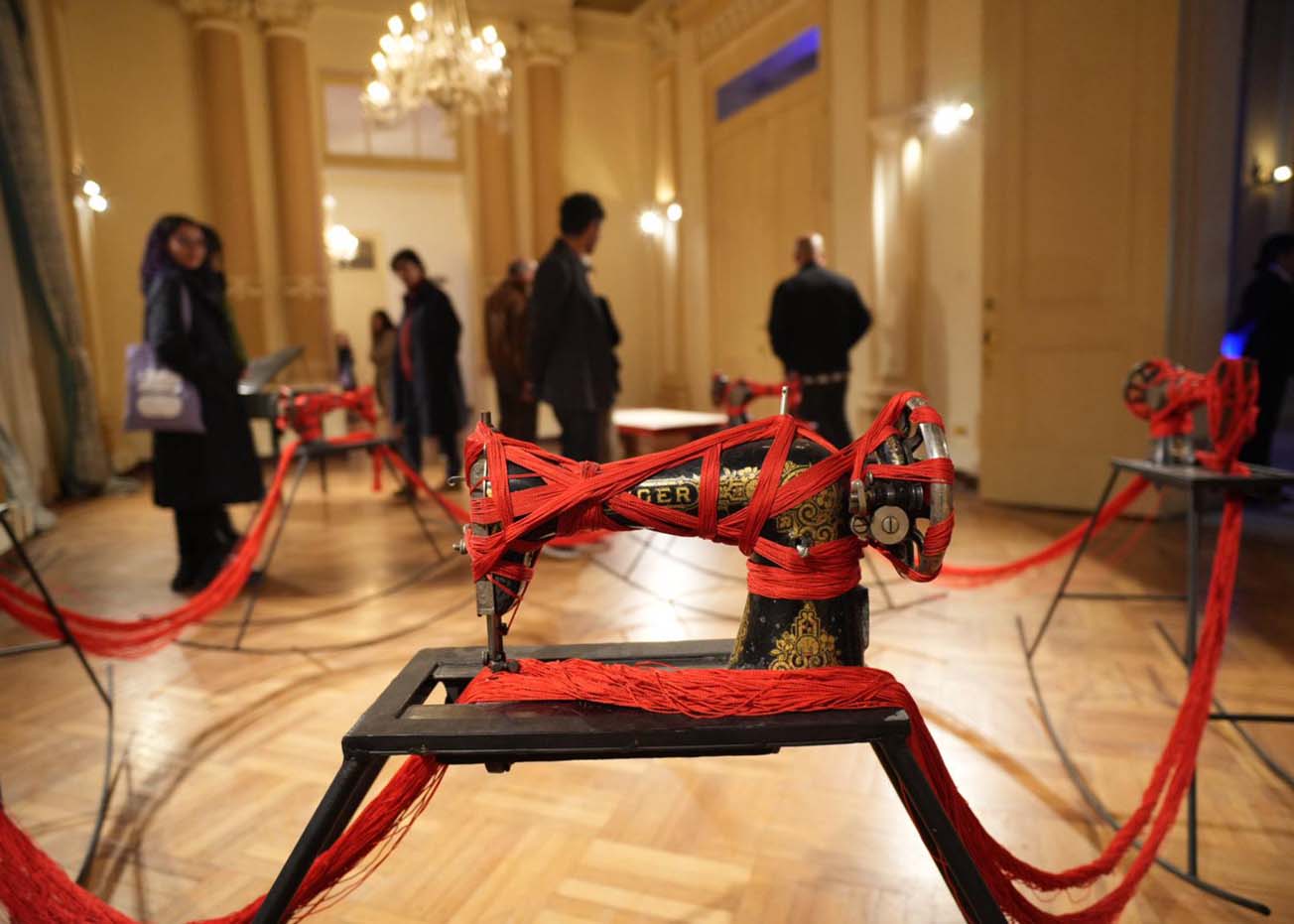
What distinguishes ARTBO Weekend from its larger counterpart, ARTBO, is precisely this sense of movement. There are no booths, no central venue, no singular point of focus. Instead, the city itself becomes the exhibition space, and the act of moving between circuits becomes part of the experience.
That experience is not purely visual. The “Conversaciones” series, curated by Raphael Fonseca of the Denver Art Museum, brings together artists, curators and academics for a series of panel discussions that aim to unpack the themes shaping contemporary art today. With free entry and simultaneous translation, the talks offer a point of entry for audiences looking to engage more deeply with the works on display.
Equally, the Encuentro Editorial continues to carve out a niche within the programme. Focused on independent publishing and the book as an artistic medium, it provides a quieter counterpoint to the busier exhibition circuits. For many, it is here – among the artist books and experimental print projects – that the creative pulse is most tangible.
After a decade, ARTBO Weekend has settled into a rhythm that feels both established and open-ended. It has succeeded in building audiences, supporting local galleries and positioning Bogotá within a wider Latin American art conversation. At the same time, it continues to grapple with the challenges of scale, access and representation that come with growth.
For visitors, the best approach may be to resist the urge to see everything. Pick two or three circuits per day. Use the Bus ARTBO, but don’t be afraid to walk, and take an umbrella for the inclement April weather. Allow time for the unexpected – a performance that spills into the street, a conversation that runs longer than planned, a small space that wasn’t on the map.
Because if ARTBO Weekend has proven anything over the past ten years, it is that Bogotá’s art scene is not confined to a single district, or a single idea of what art should be. It is scattered, evolving and, at its best, deeply connected to the city.