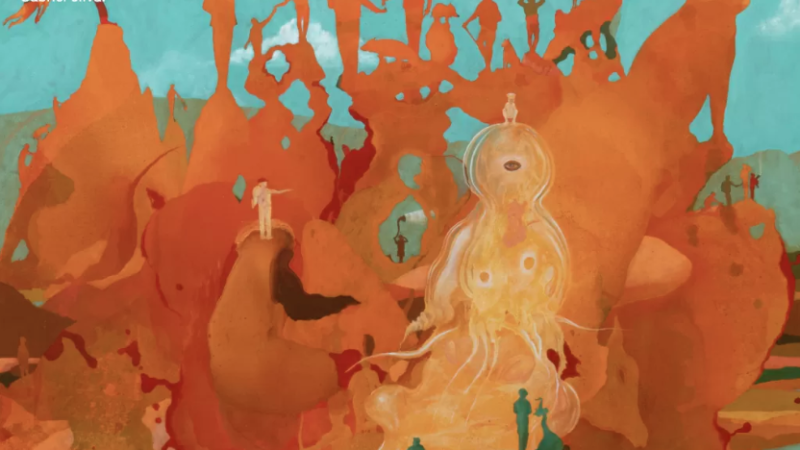

Bogotá’s iconic Teatro Colón is the starting point for a month-long exploration of music, spirituality and the many ways in which cultures find common ground in a city of contrasts. The occasion is the 15th edition of the International Sacred Music Festival, which opens on under a theme that is both musical and quietly ambitious: La Concordia.
From September 4 to October 4, more than 1,000 artists from 16 countries will perform in 25 venues across the city, from the grand architecture of the Catedral Primada de Colombia to churches, concert halls, theatres and more intimate cultural spaces. The festival will also extend later this year – and into 2027 – to Manizales, Carmen de Viboral, Quibdó, Arauca, Chiquinquirá and Mompox as part of its mission to deliver music to vulnerable communities in the country, impacted by conflict and, more recently, the August 10 earthquake.
For a festival that began 15 years ago, the scale is significant. But its appeal lies less in numbers than in its breadth. Sacred music here is not confined to one faith, period or geography. Instead, the programme moves between religious, contemplative, spiritual and meditative traditions, creating a musical map that stretches from Europe and the Middle East to Latin America and Asia.
Missa pro Vida et Concordia
The opening concert provides an appropriately international beginning. The National Symphony Orchestra of Colombia and National Choir of Colombia, conducted by Tomàs Grau, will give the world premiere of Missa pro Vita et Concordia by the Bogotá-based, French composer, Julien Faure. Commissioned by the festival, the work reflects on life, reconciliation and the promise of coexistence.
Faure began writing the piece more than a decade ago, around the impending birth of his son. Its long gestation has given the work a personal foundation, while its eventual completion has coincided with a festival devoted to the idea of bringing people together.
“The Missa pro Vita et Concordia is a piece that I started writing a long time ago, more than 10 years ago,” says Faure. He describes the work as being inspired by the Nativity and by the associations of Christmas with birth, family and reunion. “It invites us all to meet again, to unite; as a union,” highlights the composer.
The opening programme will also feature American violinist Rachel Barton Pine performing Max Bruch’s Kol Nidrei and Violin Concerto No. 1. The former draws on the Jewish tradition while the latter remains one of the defining works of the Romantic violin repertoire. Together with Faure’s new Mass, the programme sets up the festival’s central proposition: that music can create connections across traditions without erasing their differences.
A global programme
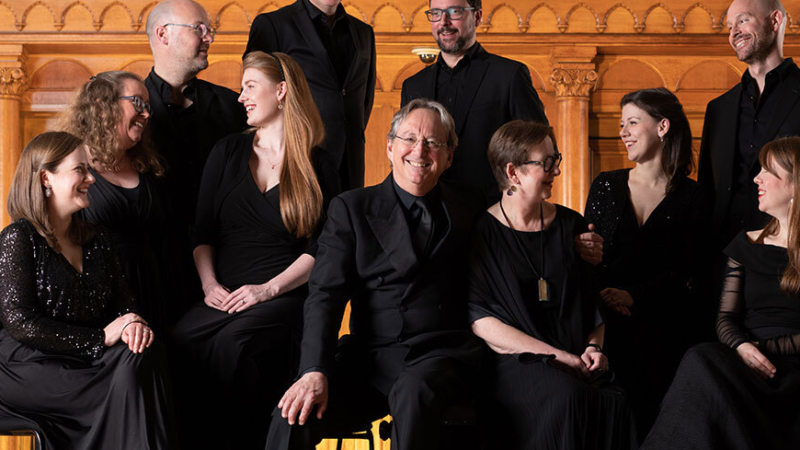
The weeks ahead will bring a particularly varied collection of performers to the Colombian capital. Among them are Britain’s The Tallis Scholars, Germany’s Belli & Schmeding Duo, the Sedda Ensemble from Mongolia and Iran, France’s Ensemble Organum, the Orquesta Sinfónica de Galicia, the National Choir of Peru and the Karlovy Vary Chamber Choir from the Czech Republic.
Colombian institutions and ensembles will be equally prominent, including the National Symphony Orchestra and National Choir of Colombia, Bogotá Piano Trio, Bogotá Baroque Ensemble and Compañía Cuerpo de Indias of El Colegio del Cuerpo.
Spain, this year’s guest country, will receive particular attention, with the Orquesta Sinfónica de Galicia leading a programme devoted to Mozart. It is a reminder that the festival is as interested in musical heritage as it is in contemporary creation.
Beyond Concert Halls
The festival’s evolution has also taken it beyond the conventional concert format. Alongside ticketed performances will be free concerts, talks, artist encounters, workshops and contemplative experiences involving gongs and Tibetan singing bowls.
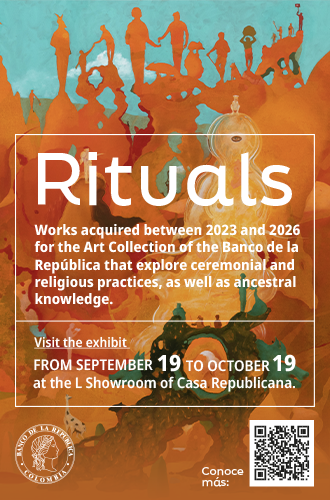
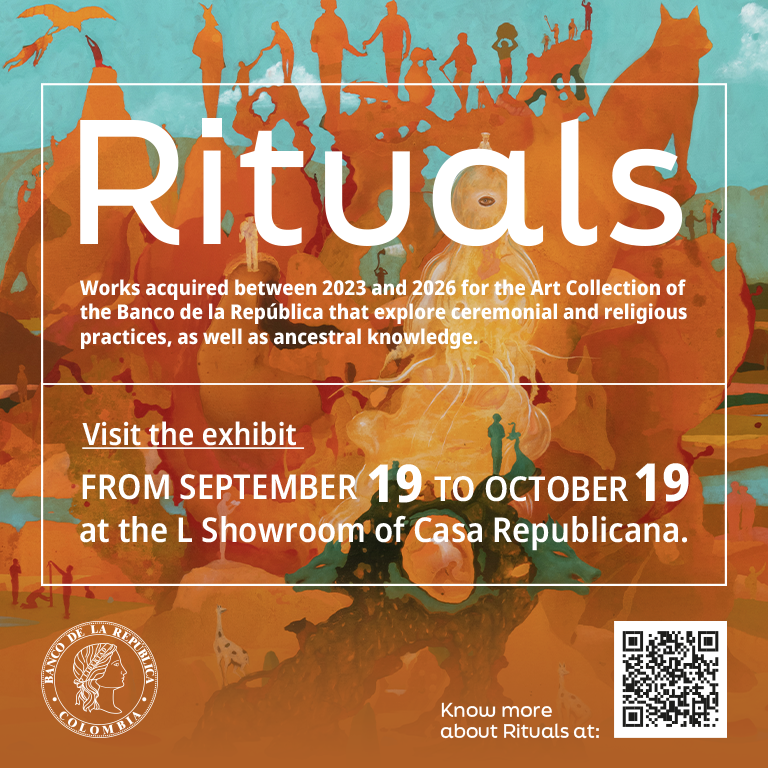
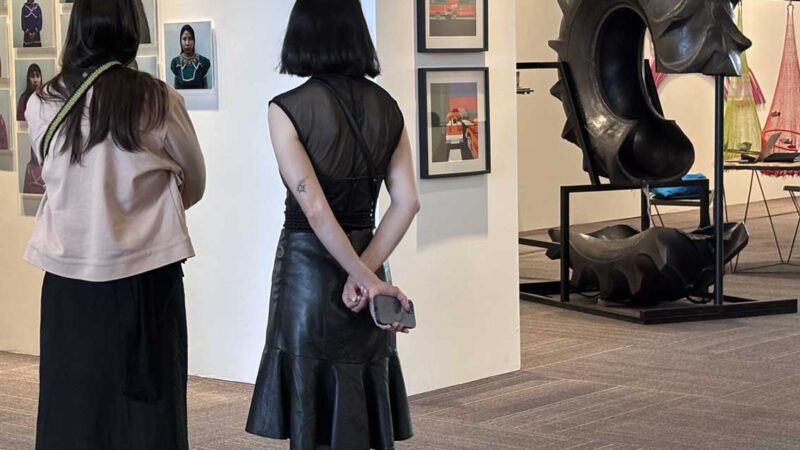
The exhibition Rituales del Espíritu will bring together works from the festival’s art collection, extending the programme into the visual arts and offering another perspective on the relationship between ritual, belief and creativity.
Mariana Piotrowska, the festival’s director, says reaching the 15th edition is a moment worth celebrating, particularly after the pandemic and the practical difficulties of sustaining an independent cultural project. Five years ago, the festival also began taking its programme beyond Bogotá, opening a second chapter in its ambition to decentralise cultural activity in Colombia.
There is something fitting about staging such a festival in Bogotá. The city’s churches, theatres, libraries and cultural institutions offer a rich architectural setting, but the deeper attraction is its ability to bring different audiences into the same room.
After 15 years, the International Sacred Music Festival has become a platform for artistic circulation, intercultural dialogue and the exploration of spiritual heritage. Its success is perhaps best measured not by the size of its programme but by the conversations it makes possible.
In 2026, with La Concordia as its guiding theme, the festival is asking audiences to listen across boundaries. The answer, as ever, starts with music.
Visit the festival’s official site for the complete listing of concerts and purchase your tickets at TuBoleta.com https://festivalmusicasacra.com/