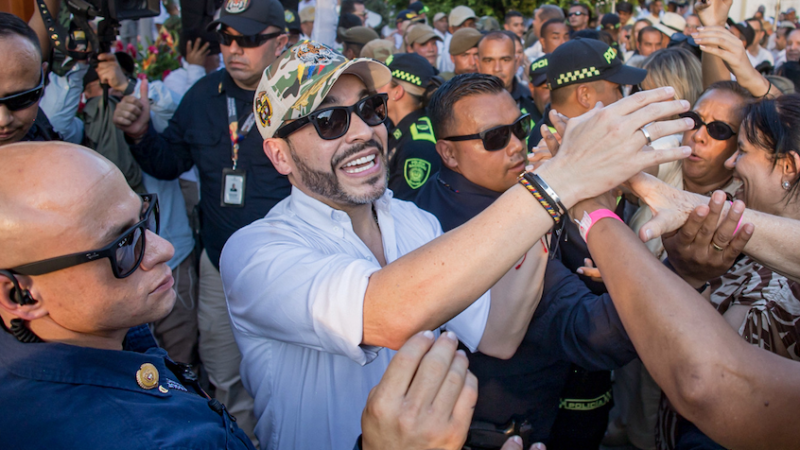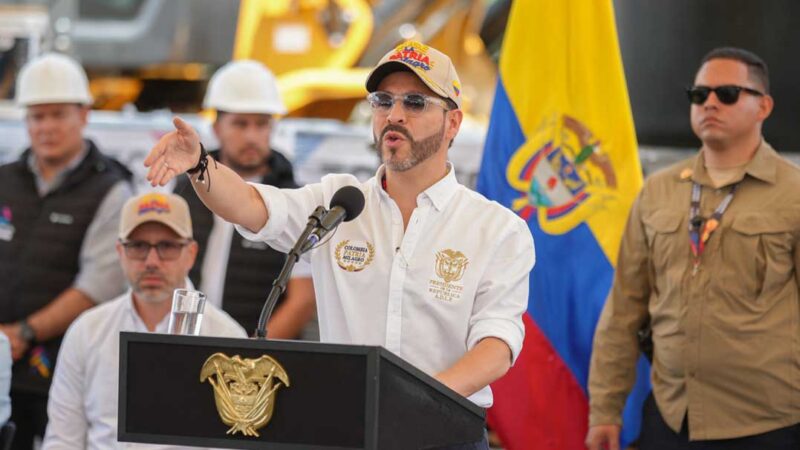

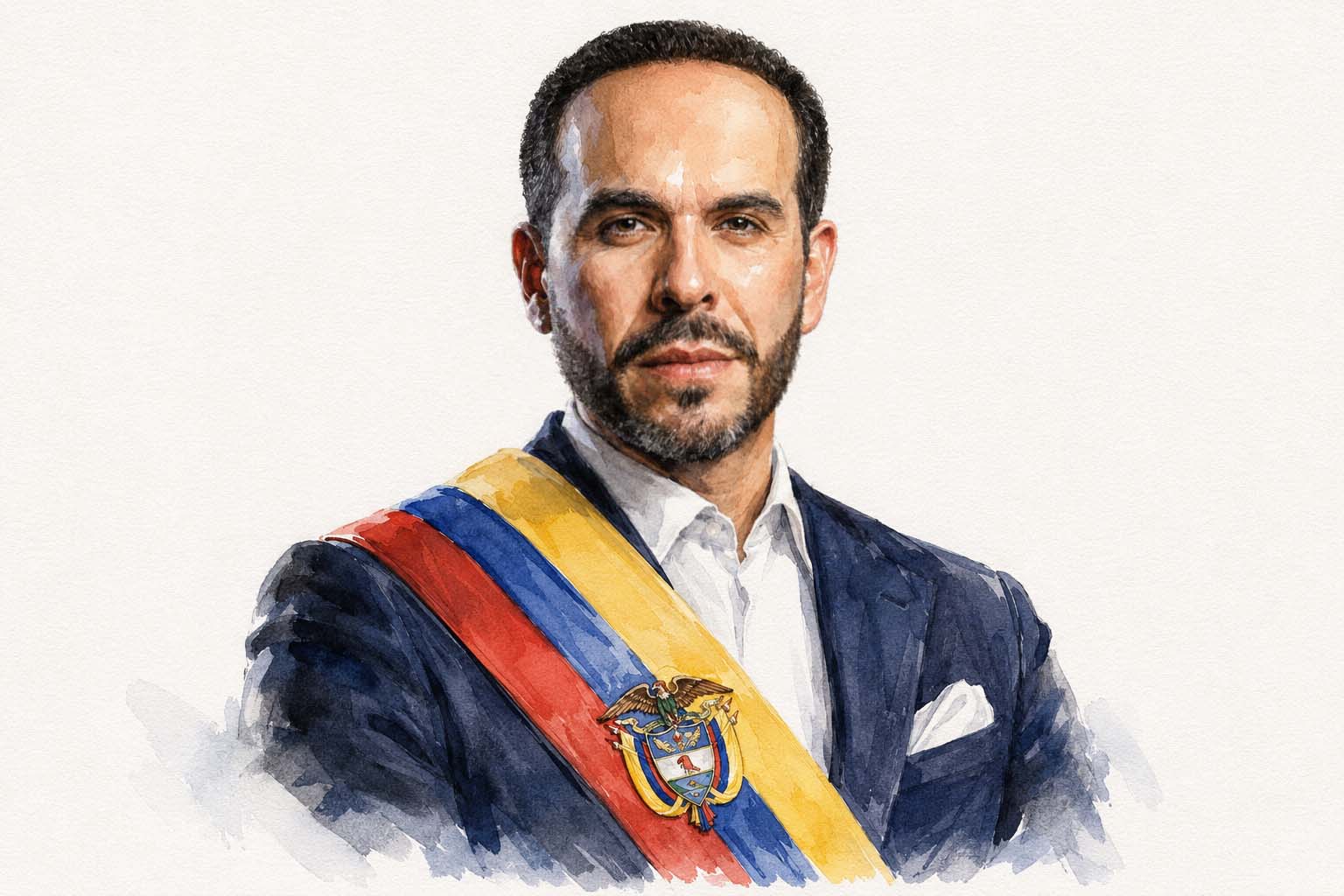
Conservative firebrand Abelardo “El Tigre” de la Espriella has been elected Colombia’s next president after defeating hard-left rival Iván Cepeda in Sunday’s presidential runoff by less than one percentage point, capping one of the closest and most consequential elections in the country’s recent democratic history.
According to National Registry Bulletin 18, De la Espriella secured 12,921,702 votes, or 49.65% of ballots cast, compared with 12,673,392 votes, or 48.70%, for Cepeda. The margin of victory was just 248,310 votes, underscoring a deeply polarized nation following months of an intensely contested campaign.
The result returns Colombia to a conservative government after four years under President Gustavo Petro, whose administration pursued sweeping social reforms and a controversial “Total Peace” strategy aimed at negotiating with armed groups.
De la Espriella, 49, campaigned on a promise to restore public security, revive investor confidence, reduce government bureaucracy and taxes, and dismantle key pillars of Petro’s domestic agenda. Throughout the campaign, he portrayed the runoff as a referendum on Colombia’s economic future and the rule of law.
With the election victory, Colombian are taking to the streets with their tri-color flag and celebrating with chants of “Fuera Petro” and “¡Sí se pudo!”
Cepeda, a hard-leftist senator sought to extend the progressive policies of the Petro administration, arguing they were beginning to reduce inequality and expand social protections. However, a slim majority of Colombia have stumped the leftist advance in their country.
The narrow outcome reflected an electorate almost evenly divided between competing visions for Colombia’s future. Analysts said the president-elect will inherit a politically fragmented Congress, forcing him to negotiate with centrist and regional parties if he hopes to pass major reforms during his four-year term.
Financial markets and business leaders are closely watching the result of “El Tigre’s” victory, with investors viewing the election as a pivotal moment for Latin America’s fourth-largest economy. De la Espriella pledged during the campaign to restore confidence among domestic and foreign investors, simplify regulations and encourage private-sector growth while strengthening Colombia’s security institutions.
Security also dominated the election campaign amid renewed violence in several regions of the country. De la Espriella repeatedly criticized Petro’s “Total Peace” negotiations with guerrilla and criminal organizations, arguing the strategy had emboldened illegal armed groups. He vowed to restore military offensives against organizations involved in drug trafficking, kidnapping and extortion while reinforcing the authority of the state in conflict-affected regions.
International leaders are expected to congratulate the president-elect in the coming hours as Colombia prepares for a political transition that could reshape both its domestic and foreign policy. De la Espriella has pledged closer cooperation with the United States on security and counternarcotics while seeking to rebuild investor confidence after years of economic uncertainty.
The president-elect will assume office on August 7, becoming Colombia’s next head of state after one of the most fiercely contested elections in decades.
Although the vote was peaceful across much of the country, the razor-thin margin is likely to keep political tensions elevated as electoral authorities complete the official count. Attention will now turn to De la Espriella’s transition team and the composition of his first cabinet, which will provide the clearest indication of how he intends to govern a nation that emerged from Sunday’s historic runoff almost evenly split.