
By 7 a.m., San Victorino is already in motion.
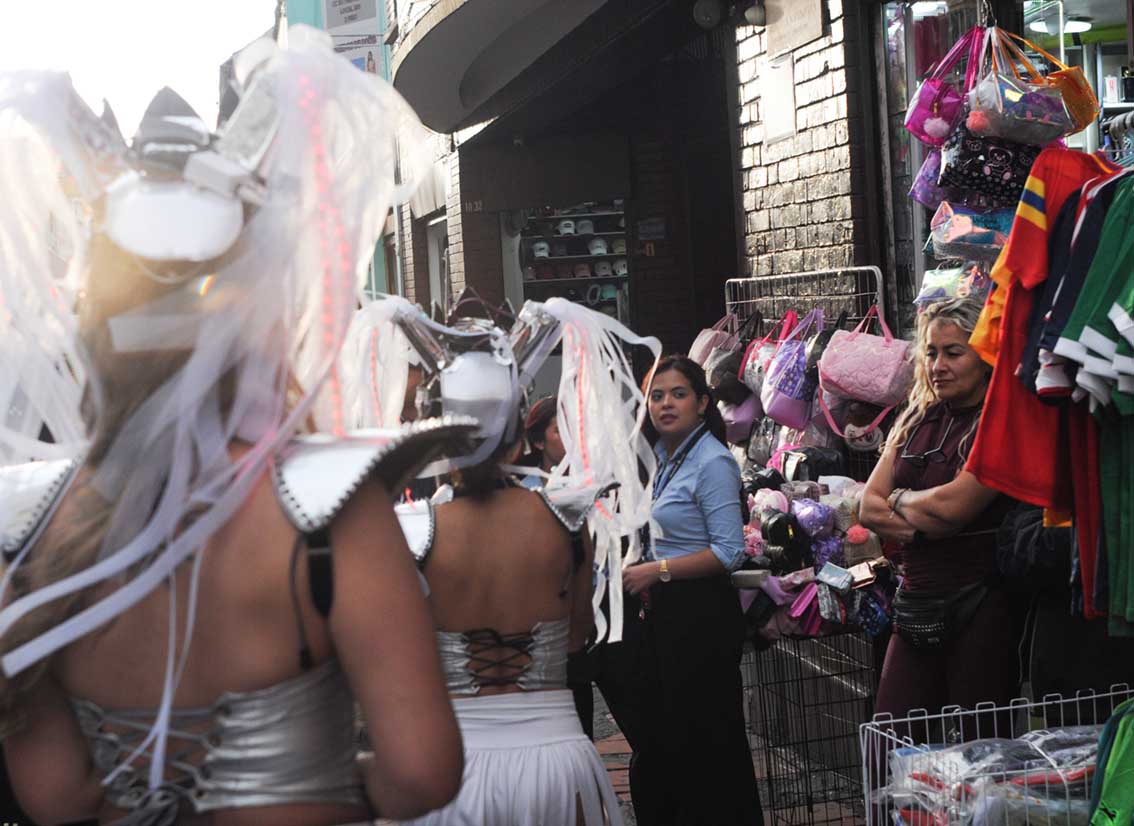
Delivery carts rattle across uneven sidewalks. Shopkeepers roll up metal shutters to reveal stacks of denim, sequined dresses and school uniforms. Buyers from Colombia’s Caribbean coast negotiate prices over coffee, while students weave through the crowd on their way to class. The district hums with the practiced efficiency of a place that has spent centuries perfecting the art of commerce.
For many Bogotanos, San Victorino has long occupied a complicated place in the city’s imagination. Located in the historic centre, between Avenida Caracas and Avenida Décima, the neighborhood was often defined by stories of congestion, pickpockets and urban disorder. It was a place people came to shop with purpose — and left quickly.
Now, city officials and local business leaders are inviting visitors to slow down.
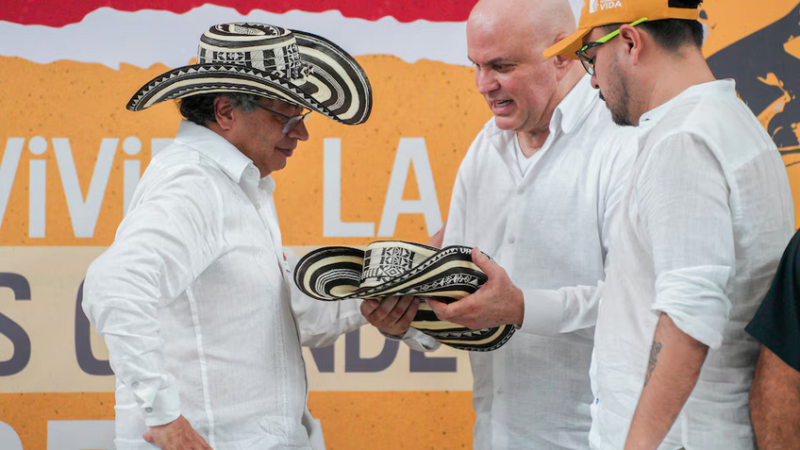
The recently launched “Vive San Victorino” tourism route seeks to recast one of Bogotá’s busiest commercial districts as an unexpected destination for travelers interested in understanding the city’s entrepreneurial spirit. The three-hour guided experience traces more than 400 years of history through a neighborhood that has evolved from a colonial marketplace into one of Colombia’s largest wholesale commercial centers.
The effort reflects a broader shift in contemporary tourism, one that favors authentic experiences over postcard-perfect attractions.
“People increasingly want to understand how cities actually function,” said a guide leading a recent tour through the district. “San Victorino tells an important story about Bogotá.”
That story begins in the colonial era, when merchants gathered near what is now the Plazoleta de La Mariposa to exchange goods arriving from different corners of the region. Over the centuries, waves of migration, economic upheaval and urban growth transformed the area into a commercial powerhouse.
Today, San Victorino encompasses 17 commercial blocks and supports an estimated 25,000 entrepreneurs. More than 80 lines of business operate within its boundaries, ranging from fashion and footwear to electronics, household goods and beauty products.
The district is the capstone of Colombia’s garment industry.
Textile warehouses, tailoring workshops, fashion design studios and wholesale retailers occupy multi-story commercial buildings where transactions unfold at a relentless pace. Merchants travel from across Colombia — and occasionally neighboring countries — to purchase merchandise destined for shops hundreds of miles away.
For travelers accustomed to visiting museums and monuments, the experience can feel unexpectedly revealing.
During one stop, participants hear the story of a family-run tailoring business that has operated for decades. At another, guides explain how informal commerce shaped the social fabric of downtown Bogotá. The route passes landmarks such as the Edificio Nariño and introduces visitors to a neighborhood often overlooked by traditional sightseeing itineraries.
There is also time for lunch.
Food courts tucked inside shopping complexes provide an opportunity to sample the everyday flavors of the district: hearty corrientazos, fresh fruit juices and steaming bowls of soup served to workers preparing for long days behind cash registers and sewing machines.
The experience does not ignore San Victorino’s challenges.
Residents and business owners acknowledge the area’s enduring concerns surrounding security and overcrowding. Tour organizers advise visitors to remain with their groups, avoid displaying valuables and stay aware of their surroundings — precautions familiar to travelers navigating busy urban environments around the world.
Yet those same business owners argue that reducing San Victorino’s reputation to street crime and negative perceptions obscures its more nuanced reality.
What emerges during the tour is not a polished version of Bogotá designed exclusively for tourists, but rather a portrait of a city negotiating questions of identity, opportunity and inclusion.
The route also highlights the role of Colombia’s economía popular — the vast network of small businesses and family enterprises that sustain millions of livelihoods across the country. In San Victorino, commerce is not merely transactional. It is generational.
A grandmother teaches her granddaughter to operate the register. Brothers expand their parents’ wholesale business. Young designers launch edgy clothing brands from modest workshops hidden above crowded storefronts.
These stories unfold against the backdrop of one of Latin America’s most dynamic capitals, a city increasingly eager to broaden the narratives it offers visitors.
Bogotá’s celebrated museums, acclaimed restaurants and mountain vistas continue to draw travelers. But experiences such as Vive San Victorino suggest that the city’s future as a destination may depend equally on its willingness to embrace places that feel less predictable.
As afternoon settles over the district, buyers carrying oversized bags continue their search for bargains. Vendors call out promotions. Delivery trucks idle outside shopping centers.
San Victorino remains, first and foremost, a place of work.
But for those willing to venture beyond Bogotá’s established tourist circuits, it has become something else as well: a window into the rhythms, contradictions and resilience of a city that has always reinvented itself through trade. It is Colombia’s version of Delhi’s Chandi Chowk, Istanbul’s Grand Bazaar or London’s Brick Lane.
And perhaps that is the greatest souvenir San Victorino has to offer outsiders is to “blend in”, connect with local hospitality and and come to appreciate the social fabric that weaves Bogotá together.