
The Colombian government temporarily closed last week PNN Tayrona National Natural Park following threats against park staff and escalating violence between rival armed groups fighting for control of drug trafficking corridors along the Caribbean coast.
The shutdown, announced on Feb. 17 by Parques Nacionales Naturales de Colombia, was described as a preventive measure to protect visitors, local communities and officials.
“The National Government announced the temporary closure of PNN Tayrona as a preventive measure to protect the lives and safety of visitors, communities, and officials, and to ensure their security,” the agency said in a statement.
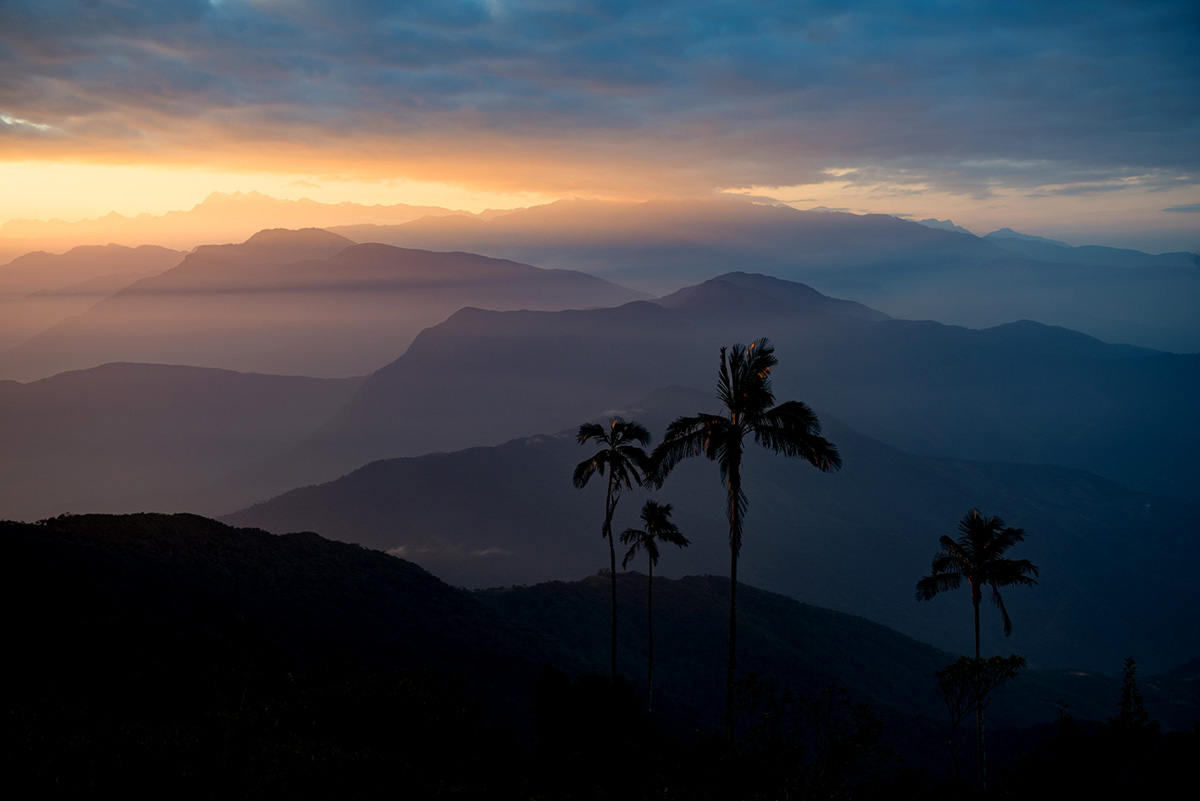
Tayrona, located near the city of Santa Marta in the foothills of the Sierra Nevada de Santa Marta, is one of Colombia’s most visited protected areas, drawing as many as 750,000 visitors annually. Known for its white-sand beaches and dense tropical forest, the park is a pillar of the tourism economy in the Magdalena department.
The closure comes amid an intensifying turf war between the Conquering Self-Defense Forces of the Sierra Nevada (ACSN) and the Gaitanist Army of Colombia (EGC), better known as the Clan del Golfo, a criminal organization designated as a terrorist group by the United States.
Authorities say the immediate trigger for the crisis was a Feb. 11 operation to dismantle unauthorized constructions within the protected area, including houses, bathrooms and hiking trails built without state permission.
According to the parks agency, the demolitions prompted threats on social media directed at park personnel. Tensions escalated on Feb. 16 when local residents blocked employees from entering the park. Officials said individuals then began charging tourists for access and allowing entry without formal registration, effectively taking over certain administrative functions.
“This created a situation that prevents a minimum level of security from being ensured within the protected area,” authorities said.
While the government has not formally attributed responsibility for the threats, the timing of the closure has drawn attention to the deteriorating security environment in northern Colombia. Recent confrontations between the Clan del Golfo and the ACSN in nearby municipalities, including Aracataca, have led to forced displacements and heightened fears about the stability of the region.
Colombia’s Ombudsman’s Office has previously warned of the presence of both groups in and around Tayrona, citing risks ranging from extortion to sexual violence. The violence, analysts say, reflects a broader struggle for control over strategic drug trafficking corridors extending into the departments of Cesar and La Guajira.
Yet the official narrative has been complicated by contrasting statements from government negotiators engaged in talks with the ACSN.
Mauricio Silva, the government’s chief negotiator in a socio-legal dialogue with the ACSN, said the decision to close the park was driven largely by climatic and preventive considerations. While acknowledging the existence of security risks and territorial control by armed groups in parts of the Sierra Nevada, Silva said it would be inappropriate to assign criminal responsibility without completed judicial investigations.
“One thing is to recognize the delicate security situation in the territory, and another is to point to specific perpetrators without proof,” Silva said, underscoring the government’s cautious position amid ongoing negotiations.
Local tourism operators have also questioned the link between the closure and the armed conflict. Some community leaders argue that the dispute stems in part from longstanding grievances over how ticket revenues are managed. They contend that funds collected by the central government are not sufficiently reinvested in infrastructure and local development within the park and surrounding communities.
The crisis has exposed deeper tensions over who exercises effective authority in one of Colombia’s most emblematic tourist destinations. Indigenous communities, national authorities and armed groups all operate in the broader Sierra Nevada region, where state presence has historically been uneven.
Although tourists in Tayrona have generally been insulated from direct violence — with armed groups preferring to profit indirectly through extortion, drug trafficking and prostitution — the park’s closure has raised concerns that the conflict could increasingly disrupt legitimate economic activity.
For the department of Magdalena, where tourism depends on Tayrona as key source of revenue, the shutdown represents both a security and economic setback. Hotel operators and tour agencies in Santa Marta have reported cancellations since the announcement, though officials have not provided a timeline for reopening.
The government has said the closure will remain in effect until minimum security conditions can be guaranteed. Meanwhile, the dispute underscores the fragile balance between conservation, tourism and public saefty in a region where armed actors continue to expand their territorial control.