This historic Tolima enclave is attracting renewed attention after ranking second nationally in tourism competitiveness. Its colonial streets, iron bridges, riverfront cafés and distinctive gastronomy offer a journey into the country’s past.
HONDA – There are Colombian towns that are beautiful to photograph, and others that tell a story about the country itself. Honda, on the banks of the Magdalena River in the northern reaches of Tolima, manages to do both.
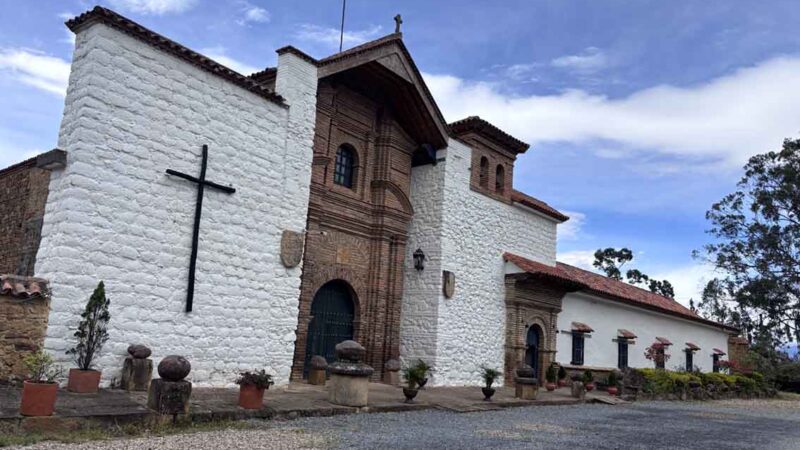
Known as the Ciudad de los Puentes (City of Bridges), Honda has long been one of the most historically significant settlements along Colombia’s principal river. Its cobbled streets, colonial houses, iron bridges and bustling market preserve the character of a place that once served as the country’s principal inland port, connecting the Caribbean coast with the Andean capital of Bogotá.
Now, Honda has another reason to attract attention. In the 2025 Regional Tourism Competitiveness Index, the town ranked second among 295 Colombian municipalities assessed, with a score of 6.37, just behind Villa de Leyva in Boyacá, which scored 6.38. The result represents a remarkable rise from 15th place in the previous assessment and places Honda among Colombia’s most promising heritage destinations.
For a town whose history is so closely tied to the movement of people, merchandise and ideas, the recognition is particularly fitting.
A river that connected Colombia
Long before the Ruta del Sol connected Bogotá with the Caribbean, the Magdalena was the country’s principal commercial artery. From the colonial period through much of the nineteenth century, goods arriving from overseas entered through Caribbean ports and travelled upriver towards the interior.
Honda occupied a strategic position in this network. Its location, close to the Magdalena’s rapids, made it an essential transfer point for passengers and merchandise travelling towards the highlands. Boats could navigate the river from the coast, but the Salto de Honda interrupted the journey upstream. Cargo had to be unloaded and transported overland, often by mule trains and porters, along the historic routes towards Bogotá.
This logistical importance helped shape the town’s prosperity and its place in Colombia’s commercial history. Merchants, traders, explorers and foreign visitors passed through its streets, while warehouses, trading houses and riverfront businesses served an economy built around transportation.
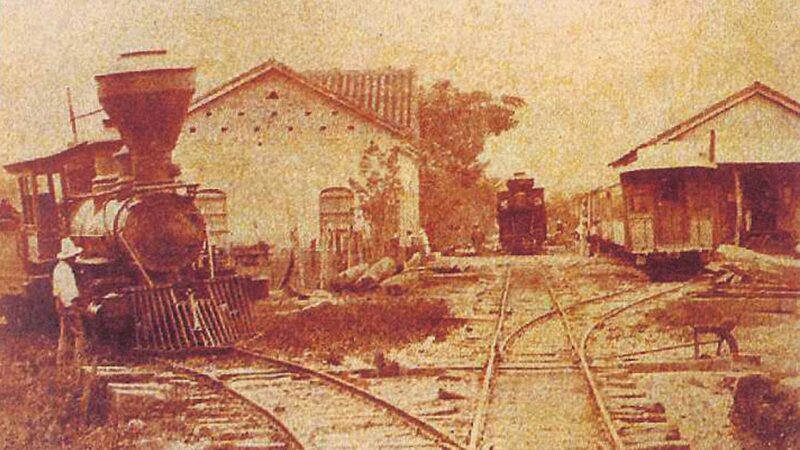
The arrival of steam navigation and, later, the expansion of railway and road networks gradually transformed this relationship with the river. Yet Honda’s historic center retains much of the architectural character of the period when its fortunes were tied to Magdalena navigation.
The river remains the town’s defining geographical feature, and understanding its history is essential to understanding Honda itself.
A city of bridges
Few Colombian towns have such a distinctive relationship with bridges. Honda’s numerous crossings span the Magdalena, the Gualí and smaller waterways, connecting neighbourhoods and creating a remarkable urban landscape.
Among them, the most celebrated is Puente Navarro, a nineteenth-century iron structure completed in 1898 and inaugurated in January 1899. Recognized as one of the oldest surviving cantilever steel bridges in Latin America, it is an important example of the engineering ambitions that accompanied Colombia’s economic development at the turn of the twentieth century.
Walking across the bridge offers an entirely different perspective on Honda. The Magdalena stretches beneath its metal structure, while the surrounding hills frame a landscape that has changed considerably less than the transportation systems that once depended on it.
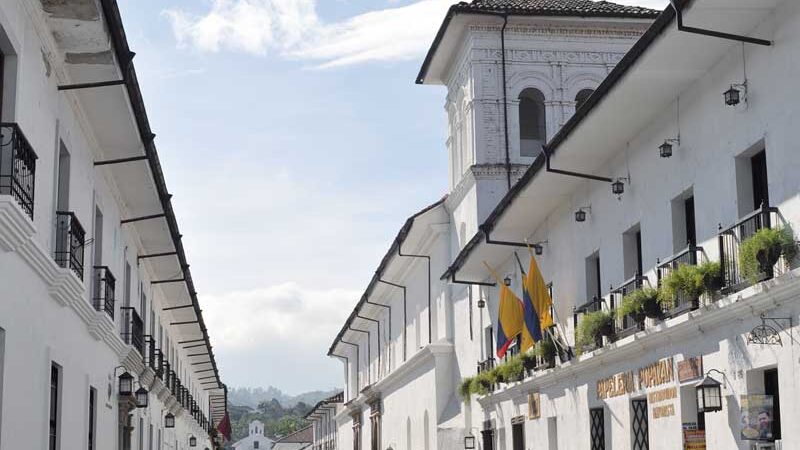
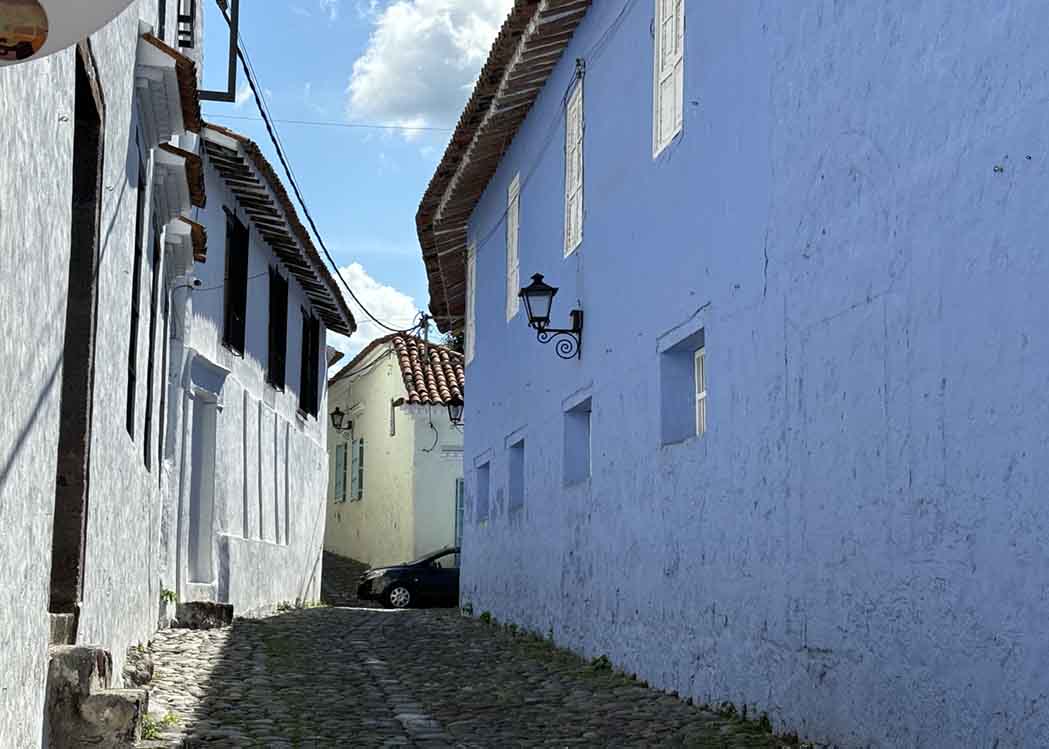
Back in the historic centre, Calle de las Trampas is one of the town’s most atmospheric streets. Its uneven cobblestones, colourful façades, wooden balconies and colonial doorways invite visitors to slow down and explore on foot. The neighbouring Alto del Rosario district offers further glimpses of traditional architecture, with internal courtyards and houses that recall the town’s prosperous commercial past.
Honda is also part of Colombia’s Heritage Towns network, an acknowledgement of its architectural and cultural significance.
The river has a museum
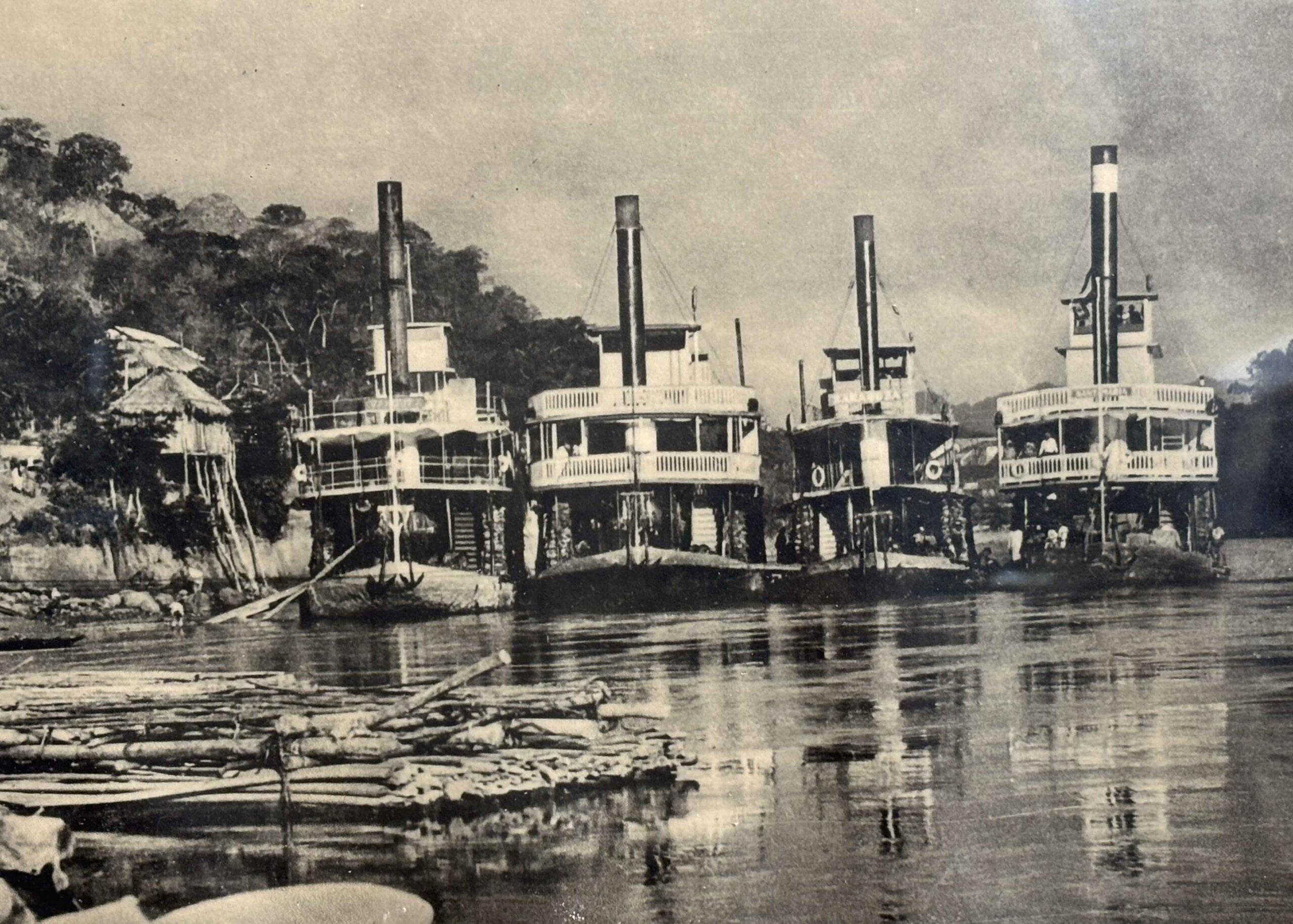
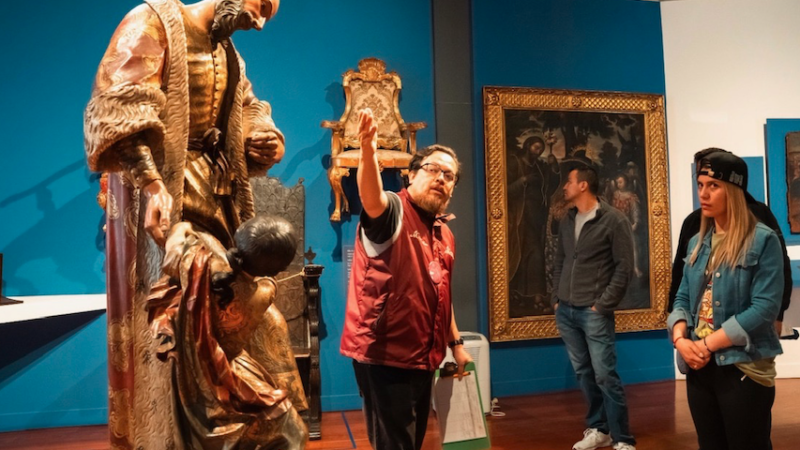
A visit to the Museo del Río Magdalena provides an opportunity to explore the history that shaped Honda and the wider country. Dedicated to the cultural, economic and environmental significance of the Magdalena, the museum places river navigation within the larger story of Colombian identity. It offers an introduction to the boats, trades, communities and traditions that developed along the waterway, which for centuries connected distant regions that were otherwise difficult to reach.
For visitors interested in Colombia’s history, the museum is an essential stop. It also helps explain why Honda became such an important meeting point between the Caribbean world and the Andean interior.
Beyond the museum, the Malecón del Río Magdalena provides a pleasant place to experience the river at a slower pace. Walking along the waterfront, watching boats and observing the changing light over the water, it is easy to appreciate why the Magdalena has occupied such a central place in Colombian literature, commerce and collective memory.
Lechona and Tamal
Honda’s identity is not confined to its architecture and history. Its gastronomy is another reason to visit, particularly for those interested in exploring regional Colombian foods.
At the heart of the town’s culinary traditions is the Plaza de Mercado, affectionately known as the Partenón del Tolima. Built between 1917 and 1935, this remarkable Republican-era structure was declared a National Cultural Heritage Asset in 1996.
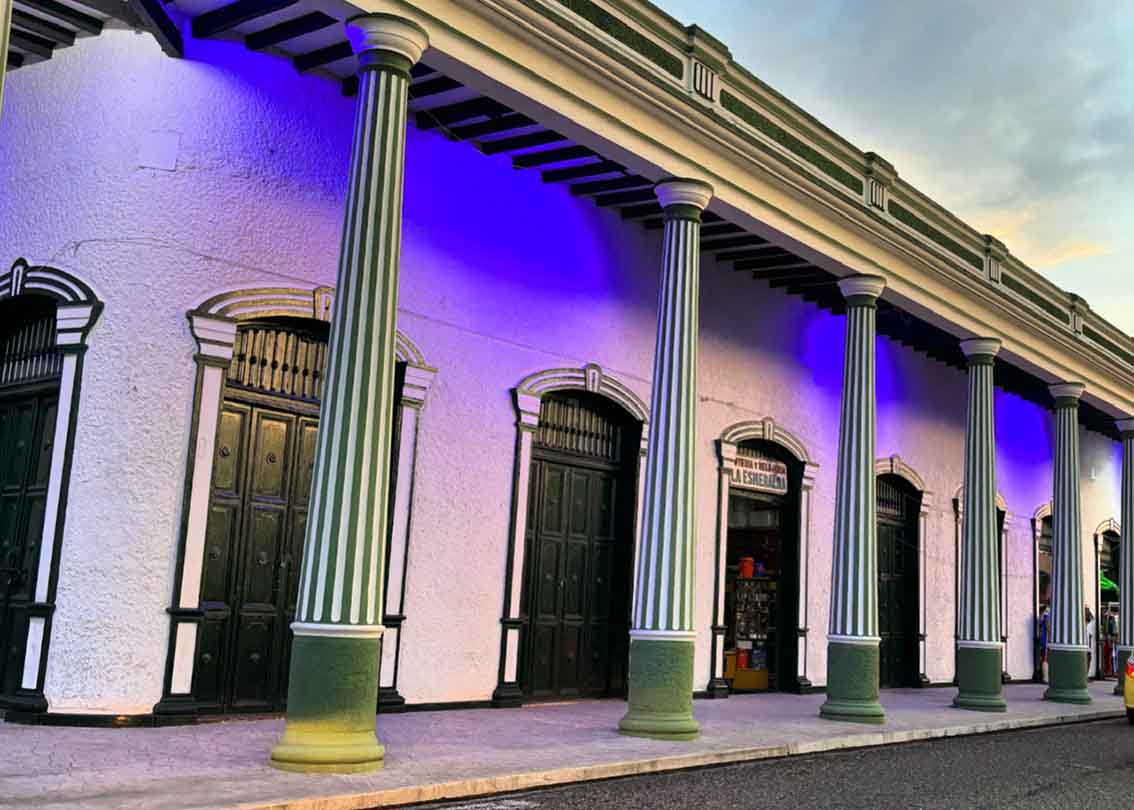
Its architecture is impressive, but the market’s greatest attraction is the everyday life unfolding inside. Generations of merchants, families and local producers continue to trade fresh produce and prepare traditional dishes, maintaining a culinary culture that reflects the abundance of the Magdalena Valley.
Freshwater fish is central to the local table. Traditional preparations such as viudo de pescado, made with river fish and accompanied by plantain, yuca and other regional ingredients, offer a direct connection to the Magdalena’s fishing traditions.
The wider culinary identity of Tolima is also represented by tamales and lechona, the celebrated slow-roasted pork dish that has become one of Colombia’s most recognizable gastronomic specialities. A glass of diced salpicón, prepared with tropical fruit, is another refreshing introduction to the region’s flavours.
The market is particularly rewarding for visitors who want to experience Colombian gastronomy beyond restaurants and hotel menus. It is here that the relationship between food, family businesses and local identity becomes most apparent.
Beyond the historic center
Honda also offers opportunities to explore the natural surroundings of northern Tolima. River excursions, fishing, birdwatching and hiking provide alternatives to a traditional heritage itinerary, while nearby attractions such as the Ciudad Perdida de Falan offer an opportunity to discover the region’s archaeological and natural landscapes.
The town’s warm climate is part of its character, and visitors should be prepared for temperatures that can be considerably higher than those experienced in rival ‘hot country’ towns. Early morning walks and late-afternoon explorations are particularly appealing, especially around the riverfront and historic streets. Not to be missed is an afternoon coffee at the pop-up gallery Café Trilladora de Gualí.
Located less than four hours by road from Bogotá, Honda makes an attractive weekend destination for ‘citadinos’ seeking a linen-clad escape to the capital’s more familiar high-altitude destinations.
Its growing tourism profile will receive another boost from 4 to 6 December 2026, when the town hosts the fourth International Tourism Fair of Tolima, known as FITTCA 2026. For the first time, the event will be held outside the departmental capital of Ibagué, bringing tourism operators, commercial exhibitions, cultural activities, business meetings and regional gastronomy to Honda.
The decision to host the fair here reflects the town’s growing importance in Tolima’s tourism strategy and its potential to attract visitors from beyond Colombia.
Journey into Colombia’s past
Honda’s recent recognition in the national tourism competitiveness rankings is more than a statistical achievement. It is an opportunity to rediscover a destination whose contribution to Colombia’s history has sometimes been overshadowed by better-known colonial towns.
Villa de Leyva may have claimed the top position in the 2025 index, but Honda offers something distinctly different. Its identity is inseparable from the Magdalena, a river that carried the country’s commerce, connected its regions and helped shape its economic development.
The bridges remain. The cobbled streets still lead towards the river, and the market continues to serve the community much as it has for generations.
To visit Honda is to encounter a Colombia that existed before urban sprawl, congested highways and container ports, when the rhythm of national life was counted by pocket watches and the ebb and flow of boats along the Magdalena.
It is a place to walk, eat, explore and understand. And for travelers looking beyond Colombia’s familiar destinations, the City of Bridges may be one of the country’s most rewarding discoveries.