Colombia has taken an ambitious investment proposition to Wall Street, opening a four-day international business initiative aimed at attracting foreign capital into infrastructure, aviation, energy, technology and regional development. Among its most significant announcements is a US$3 billion investment programme by Avianca, which plans to add 61 aircraft to its fleet between 2027 and 2029.
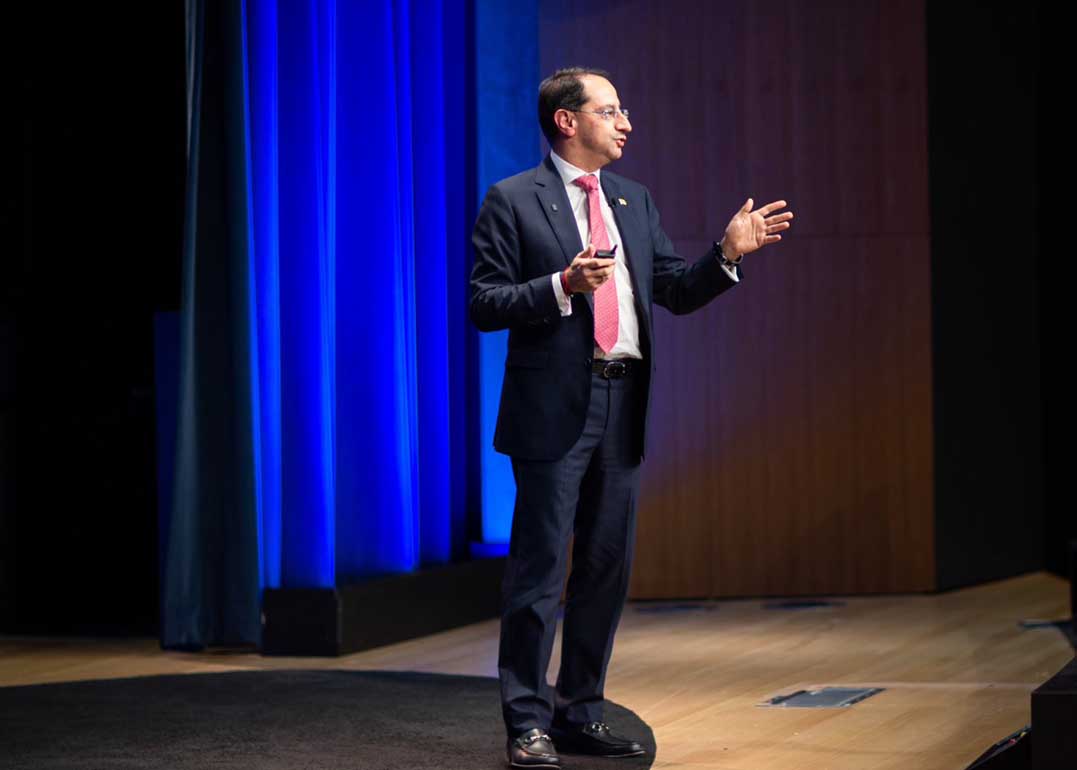
The announcement came as the first edition of Milagro Week (Miracle Week) began in New York on November 16, bringing together Colombian government representatives, international financial institutions, multinational companies and prospective investors. Led by Vice President José Manuel Restrepo and Commerce Minister Mauricio Gómez Amín, the initiative is designed to connect international capital with projects across Colombia’s economy.
The government initially presented 97 investment-ready projects representing potential business and financing opportunities valued at US$41.9 billion. The portfolio spans infrastructure, energy, mining, agriculture, transportation, sustainable tourism and technology. According to the organizers, the programme includes approximately 300 business meetings involving more than 500 investors. Subsequent government updates have referred to a broader portfolio of 110 projects, reflecting an evolving presentation of the opportunities.
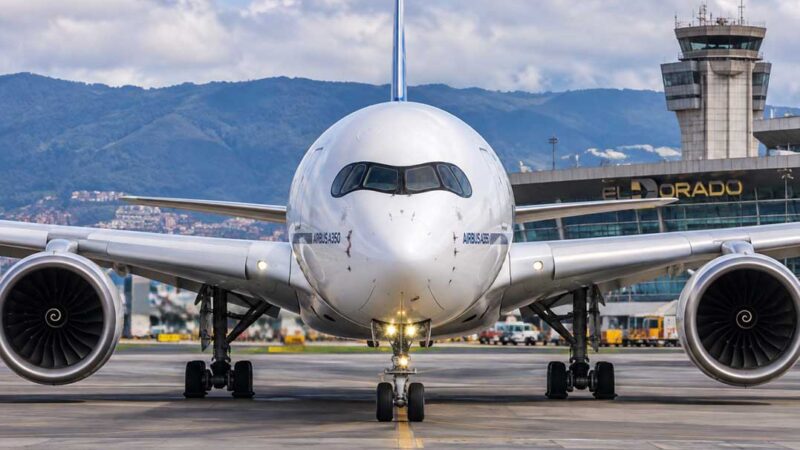
For Avianca, the New York meetings provided the setting for one of the largest corporate investment announcements of the opening day. Following discussions between Restrepo and airline president Gabriel Oliva, the carrier confirmed plans to invest US$3 billion in its expansion, including the acquisition of 61 new aircraft over three years. The major upgrade could incorporate the Airbus A350-900 for ultra-long-range routes up to 18,000km non-stop.
The cornerstone of the A350 family would give the Colombian flagship carrier options from to a wide berth of destinations in the Middle East and Asia.
The fleet expansion is scheduled in three stages: 18 aircraft in 2027, 23 in 2028 and a further 20 in 2029. The first delivery group is expected to include 16 single-aisle aircraft and two wide-body aircraft, with an estimated investment of approximately US$1 billion. The airline has not yet disclosed the complete breakdown of aircraft types or financing arrangements for the remaining deliveries.
The programme is significant for Colombia’s aviation sector, where international connectivity is closely linked to tourism, trade and business mobility. Additional aircraft could provide greater capacity on regional and international routes, while reinforcing Bogotá’s position as an important connecting hub in Latin America. The wider benefits could extend to airports, ground services, aircraft maintenance, hospitality and tourism operators.
Avianca’s announcement also coincided with a pre-inaugural flight connecting Barranquilla and New York, highlighting the importance of direct international connections to Colombia’s Caribbean region and the potential to expand business and tourism links between the two markets.
Aviation, however, is only one part of a broader investment agenda. Financial services company Grupo Plata announced that it would increase its planned investment in Colombia from US$60 million to US$400 million over the next three years. The additional US$340 million is intended to expand access to formal credit, particularly for small businesses and entrepreneurs who often rely on informal lending.
Energy is another prominent component. Greenwood Energy announced plans for US$1.1 billion in investment in wind-energy developments in La Guajira, a department with considerable renewable-energy potential. The proposed investment reflects continuing international interest in Colombia’s capacity to develop alternative energy sources, although the execution of such projects will depend on infrastructure, regulatory conditions and the ability to move developments into operation.
The financial dimension of Milagro Week is equally substantial. The government reported potential financing resources of US$21.4 billion from three multilateral institutions over the next four years: US$10 billion associated with the World Bank Group, US$6 billion from the Inter-American Development Bank and US$5.4 billion from CAF, the Development Bank of Latin America and the Caribbean.
Combined with US$4.5 billion in corporate investment announcements, the government presented an initial headline figure of US$25.9 billion in investment and financing advances. These amounts require an important distinction: multilateral financing capacity is not equivalent to private investment already committed, nor does it mean that the full sum has been disbursed. The availability of funding will depend on individual projects, eligibility, financial structuring and subsequent approvals.
The wider challenge is converting investor interest into projects that can be financed, built and operated. Colombia’s investment proposition includes opportunities outside its principal urban centres, particularly in renewable energy, agricultural production, logistics and tourism. However, the success of these initiatives will depend on regulatory certainty, transport infrastructure, institutional coordination and transparent project selection.
Milagro Week is part of the government’s broader Misión Crecer strategy, which seeks to raise annual economic growth to 6 per cent by increasing investment, production, exports and employment. That ambition is considerable, particularly when measured against the practical requirements of financing and delivering large infrastructure and industrial projects.
For Colombia, the New York meetings therefore represent more than a series of corporate announcements. They are an opportunity to demonstrate that the country can offer international investors a pipeline of viable projects across multiple sectors, supported by financial institutions and private enterprise.
Avianca’s planned fleet expansion offers a tangible example of how large-scale corporate investment could strengthen the country’s international connections. Whether the wider portfolio achieves similar momentum will depend on what follows the meetings: financing agreements, regulatory progress and, ultimately, investment translated into economic prosperity on Colombian soil.