As motorcycles reshape urban mobility in Colombia’s capital, rising road fatalities, dangerous driving practices and mounting congestion are presenting Mayor Carlos Fernando Galán with an increasingly difficult challenge.
BOGOTÁ – Driving through Bogotá is stressful enough, with roadworks, concerns over personal safety and rush-hour gridlock confronting motorists at almost every turn. Yet private car owners must contend with another increasingly visible challenge: swarms of motorcycles jostling for pole position at traffic lights and weaving through congested lanes. Once dominated by private cars, buses, taxis and bicycles, the Colombian capital is experiencing a rapid expansion in motorcycle traffic, transforming not only how residents move around the city but also the nature of its road-safety crisis.
The motorcycle has become an increasingly affordable alternative for thousands of Bogotá residents seeking to meander gridlocked traffic, reduce commuting costs and navigate a city where travelling relatively short distances can consume hours. Yet the rapid growth of two-wheeled transport is producing a troubling contradiction: the vehicle that promises greater mobility is increasingly associated with collisions, injuries, fatalities and the disruption of traffic across the capital.
According to the Registro Único Nacional de Tránsito (RUNT), Bogotá ended 2025 with 517,725 registered motorcycles. However, the effective number circulating on the city’s roads is considerably higher when motorcycles registered in neighbouring municipalities but used daily in the capital are included. Estimates published in 2026 put that figure above 550,000.
The expansion is part of a national phenomenon. Colombia closed 2025 with more than 13.5 million registered motorcycles, representing approximately 63% of the country’s registered vehicle fleet. In Bogotá, the growing presence of motorcycles is increasingly visible on major arterial roads, where the traditional relationship between private vehicles and motorcycles is being tested by limited road space and increasingly aggressive driving practices.
The consequences are reflected in the mortality figures. Bogotá recorded 612 traffic-related deaths in 2025 according to preliminary figures from the city’s Health Observatory, drawing on data from the National Forensic Institute – Medicina Legal. Motorcyclists now represent 45.1% of fatalities, while pedestrians account for 39.54%. Men represent more than three-quarters of all victims.
The situation has become particularly concerning in 2026. During the first six months of the year, Bogotá recorded 369 traffic-related deaths in the Health Observatory’s preliminary series. Separately, the Agencia Nacional de Seguridad Vial (ANSV) reported 368 fatalities for the same period, compared with 284 during the first half of 2025. That represents a 29.6% increase in the national agency’s figures and places Bogotá among the country’s most worrying urban road-safety cases.
The two statistical series use different reporting methodologies and should not be combined. Nevertheless, both point to the same underlying concern: road deaths remain a serious and persistent problem, with motorcyclists disproportionately represented among those killed.
The problem extends well beyond motorcycle riders themselves. Bogotá’s 2024 Road Safety Yearbook found that motorcyclists were involved in approximately two out of every three fatal road incidents. Between 2019 and 2024, fatalities involving motorcyclists increased by 33%. During the same period, deaths among other road users involved in collisions with motorcycles rose by 41%, from 85 to 120.
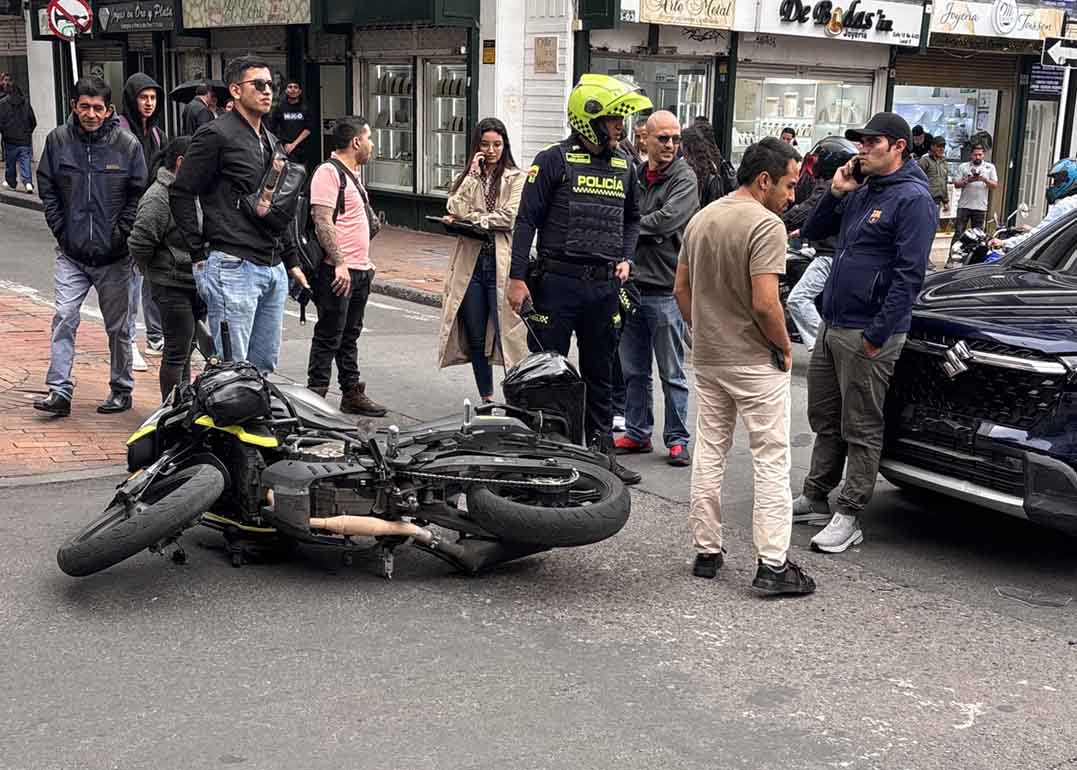
Pedestrians are particularly vulnerable, including older residents who must negotiate crossings and pavements increasingly shared with motorcycles. Meanwhile, collisions involving private cars and motorcycles frequently create additional disruption on already saturated roads, as damaged vehicles, emergency services and police investigations restrict the available lanes.
The congestion paradox is becoming increasingly apparent. Motorcycles were embraced partly because they could move more freely through traffic. But as their numbers increase, that advantage is diminishing. Overtaking between lanes, occupying pavements and cycling infrastructure, speeding and ignoring traffic signals are among the practices that have intensified tensions between different road users. The result is a city where the search for individual mobility increasingly comes at the expense of collective safety.
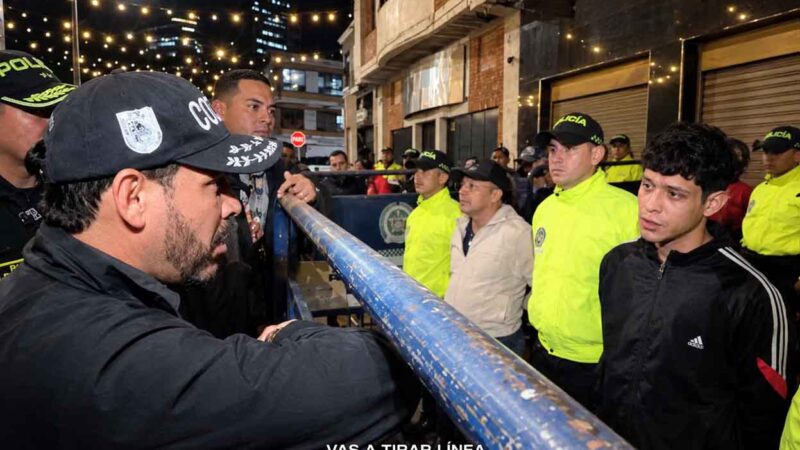
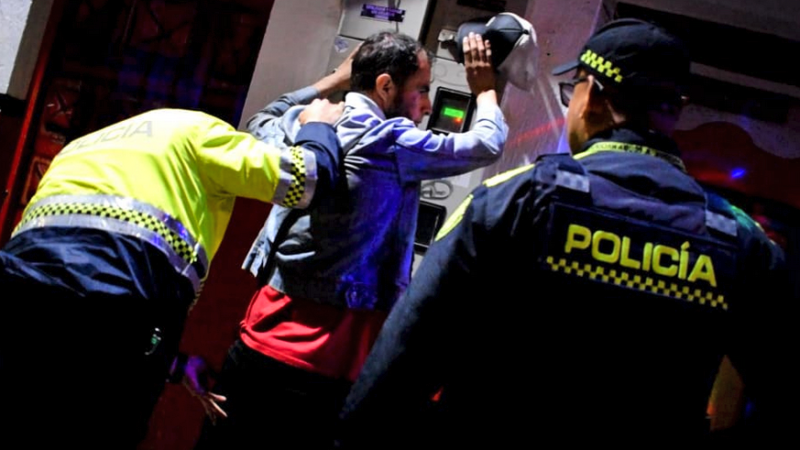
For Mayor Carlos Fernando Galán, the challenge is becoming an important test of his administration’s mobility policies. Bogotá has introduced targeted restrictions, traffic controls and enforcement operations, particularly during periods associated with higher accident rates.
The Halloween measures introduced in October and early November 2026 offer an indication of what more assertive intervention can achieve. The Mobility Secretariat reported zero motorcycle fatalities during the restricted hours, alongside a 42% reduction in reported road incidents compared with the corresponding Halloween period in 2024. Authorities also issued 2,132 traffic citations and immobilized 1,830 motorcycles for violating the restrictions.
Such results suggest that targeted enforcement can make a difference, although temporary restrictions cannot substitute for a comprehensive road-safety strategy.
Bogotá now faces a difficult question: how does a city accommodate the growing importance of motorcycles without allowing its streets to become increasingly dangerous for everyone?
The answer will require more than traffic tickets. Better road infrastructure, effective licensing, consistent enforcement of speed limits, safer driving practices and greater protection for pedestrians and cyclists must become central to the city’s mobility agenda.
The motorcycle is now an established part of Bogotá’s urban economy and daily life. The challenge for the mayor’s administration is to ensure that the transformation of the city’s streets does not come at an unacceptable human cost.