As Popayán prepares to host the VIII ACOTUR Sustainable Tourism Summit, Cauca is seeking to turn its extraordinary agricultural biodiversity, cultural heritage and nature-based tourism potential into an engine for rural development, international investment and economic opportunity.
POPAYÁN — For a department that has endured decades of armed conflict, displacement and economic marginalization, the prospect of attracting international investment through sustainable tourism carries significance beyond the hospitality industry. In Cauca, where agricultural traditions, extraordinary biodiversity and Pacific coastal ecosystems coexist with persistent security challenges, tourism could become an important instrument of regional economic recovery.
That ambition will be at the centre of the VIII Sustainable Tourism Summit organised by the Colombian Association of Responsible Tourism (ACOTUR), which will bring together more than 400 tourism industry representatives in Popayán from November 25 to 27. Under the theme Tourism That Strengthens Territories: Reconnecting Destinations, Reviving Opportunities, the gathering aims to connect local businesses with international buyers, commercial partners and new markets.
The programme will include a business matchmaking session on November 25, followed by two days of discussions on competitiveness, regenerative tourism, destination development and access to international markets. Supported by Expertise France and the European Union under its Global Gateway strategy, the event also has the backing of the Cauca Governor’s Office, the Mayor’s Office of Popayán and the Cauca Chamber of Commerce.
Yet the wider significance of the meeting lies in what Cauca can offer beyond its established tourism destinations.
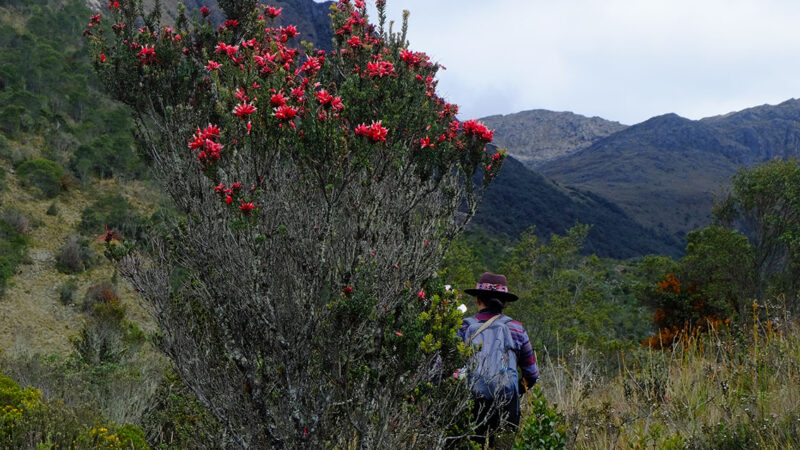
Stretching from the Andean highlands to the Pacific coast, the department encompasses a remarkable range of agricultural and ecological landscapes. Coffee-growing municipalities, traditional food-producing communities and Afro-Colombian and Indigenous territories offer opportunities to develop tourism experiences connected to local production, gastronomy, biodiversity and cultural heritage.
For international investors, this represents an opportunity to look beyond conventional hotel and resort development and consider smaller-scale ventures that connect agricultural production with tourism, processing, distribution and export markets.
Cacao is one example. In Guapi and Timbiquí, on the Pacific coast, a project coordinated by the Agency for Territorial Renewal (ART), the Cauca Governor’s Office and local authorities is seeking to strengthen the cacao value chain as an alternative to illicit crop economies. The initiative includes establishing 500 cacao trees per participating family, alongside plantain, chontaduro and papachina cultivation, collection infrastructure and a commercial platform designed to secure markets for producers.
The approach is significant because it recognises that agricultural recovery requires more than planting crops. Farmers need reliable buyers, processing facilities, technical assistance and access to markets that reward quality and sustainable production.
Cauca’s coffee industry offers another opportunity. The Food and Agriculture Organization (FAO) has identified the department as a priority for investment in its agricultural development programme, proposing support for 36,000 small-scale coffee producers across 33 municipalities. The initiative combines improved productivity, agroforestry, post-harvest infrastructure and stronger market access with the development of five coffee tourism routes.
The objective is to give coffee-growing communities additional sources of income while strengthening the reputation of Cauca’s speciality coffee in international markets.
The potential extends beyond coffee and cacao. A study published in March 2026 by the Stockholm Environment Institute, Biointropic and Connect Bogotá, prepared for the Inter-American Development Bank, identified 128 initiatives with bioeconomy potential in this mountainous department. These include quinoa flour, fruit and chontaduro by-products, processed roots and tubers.
There are, however, structural obstacles to overcome. Many eco-tourism and sustainable agricultural projects operate as small enterprises or community-based associations, with limited technological capacity, difficulties accessing venture capital and precarious infrastructure to reach national and international markets.
This is where regenerative tourism could play a particularly important role. Visitors increasingly seek experiences that connect them with local communities, food production and natural environments. Properly developed, agricultural tourism can create additional markets for farmers, encourage local entrepreneurship and give greater commercial value to traditional knowledge and regional products.
The challenge, however, cannot be separated from the security situation. Rural communities across Cauca continue to face attacks by illegal armed groups, displacement and restricted mobility. Tourism investment will depend on reliable infrastructure, safe access to destinations and sustained institutional support. It must also ensure that local communities participate in the economic benefits rather than simply becoming part of a tourism marketing strategy.
For ACOTUR president Laura Durana, the summit represents an opportunity to strengthen commercial relationships and connect destinations beyond Colombia’s traditional tourism circuits. The organization, established in 2013, has positioned responsible inbound and nature-based tourism as an avenue for regional development.
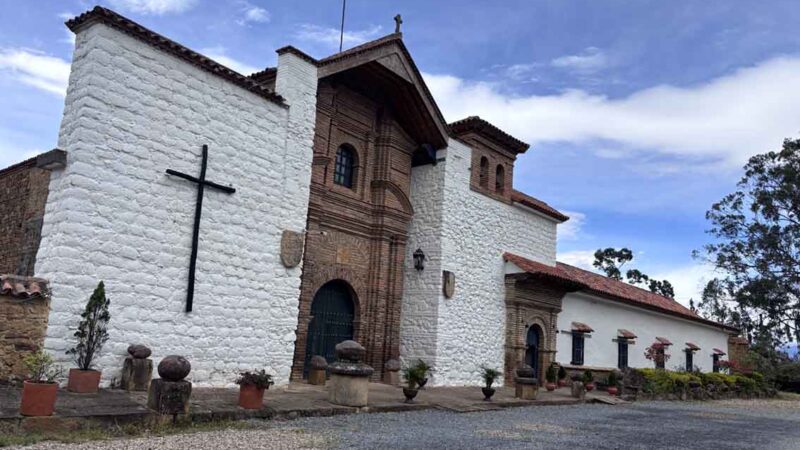
Popayán’s selection as host city offers an opportunity to bring these discussions directly into a territory where the economic stakes are particularly high. Its iconic colonial setting, culinary traditions and geographical position provide a natural starting point for exploring a wider network of destinations extending towards the Pacific.
The question is whether commercial connections forged in November can translate into sustained investment for farmers, community enterprises and emerging tourism businesses.
For Cauca, regional recovery will require more than visitors. It will require investment that reaches the people who cultivate the land, preserve its biodiversity and produce the goods that give the department its distinctive identity. Sustainable tourism could help open that door.