Photographs of cash, suspected drugs and clothing, alongside reported government contracts worth more than COP$100 million, have intensified allegations that public resources were used to facilitate Petro’s private encounters. The ex-President denies exchanging contracts for intimate favours.
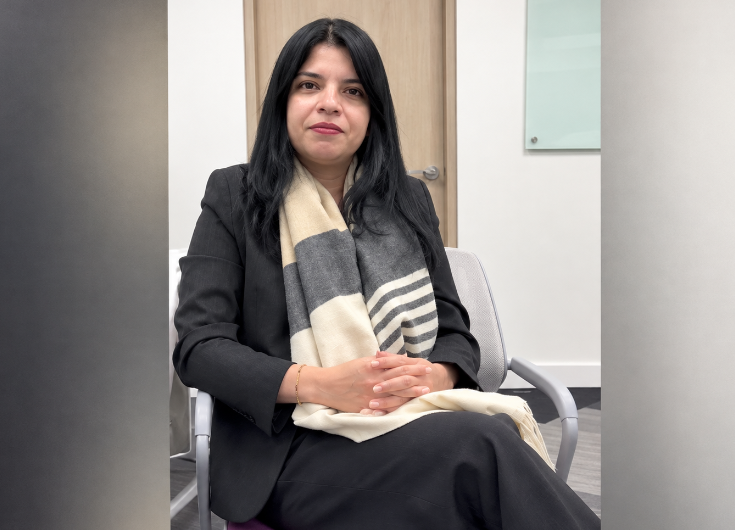
The allegations surrounding Gustavo Petro’s presidency have taken a disturbing turn. A young woman, identified as Deicy Jiménez, has come forward in an extensive interview with Semana, alleging that the former Colombian president used government contracts to maintain intimate relationships with young women. Her testimony includes photographs, screenshots of conversations and a list of contracts associated with several public institutions.
Taken together with earlier allegations concerning the Casa de Nariño and the possible instrumentalization of women employed through public-service contracts, the interview raises key questions about the excesses of presidential power, a sordid personal conduct and use misuse of taxpayers’ money.
Jiménez, 26, told Semana president Vicky Dávila that she had an intimate relationship with Petro and that contracts followed. The magazine subsequently reported that it had verified contracts in her name associated with the Congress of the Republic, Ministry of the Interior (under Armando Benedetti), and Superintendency of Private Security and Surveillance. The reported total handed over to Jiménez exceeds COP$100 million, or US$36,000.
Petro has denied the central allegation, stating: “I have never awarded a contract in exchange for sexual relations.” But a paper trail identified by Semana gives judicial investigators a solid starting point.
The Witness
Jiménez told Dávila that she contacted Semana because she disagreed with what she described as an abuse of power during Petro’s administration. “I disagree with the abuse of power that took place during Gustavo Petro’s government; he used young women for his own personal benefit in exchange for contracts.” When Dávila asked directly whether she had slept with Petro in exchange for contracts, Jiménez answered: “Yes, of course.”
She alleges that the arrangements extended beyond her own experience, claiming that numerous other women had contracts and accompanied the former president to parties or private gatherings. She estimated that between 30 and 40 women might have been involved in similar circumstances.
Her estimate overlaps with a separate set of allegations raised by Carlos Ríos, director of the Administrative Department of the Presidency, or DAPRE, who has referred to 48 women allegedly instrumentalized through service contracts.
Even though the two accounts come from different sources – and require independent corroboration – their convergence, however, shows that contracts were obtained to mislead potential investigations.
The photographs
Among the most striking elements of the Semana investigation are photographs supplied by Jiménez.
One image appears to show cash alongside small paper packets that she identifies as containing drugs. According to her account, the money and suspected cocaine belonged to Petro. Other photographs show clothing that she says belonged to the former president, including a checked red/white shirt that Semana linked to a garment he had worn publicly during the investiture of Foreign Minister Luis Gilberto Murillo on May 21, 2024.
The photographs are disturbing in the context of her testimony. The image of cash strewn on bed, the alleged contents of cocaine envelopes and clothing resembling an individual’s garments does not independently prove who wore them or how the photograph was taken. But what does matter, is that these images can be authenticated, dated and corroborated against other evidence, including the reported conversations and the witness’s account of the encounters.
Jiménez has said that she fears retaliation following her decision to speak publicly. “I know that once Gustavo sees this, he will want to hurt me.”
According to the Semana report, one of the congressional contracts was associated with the Historic Pact’s congresswoman María José Pizarro, although it said the precise contractual connection still required verification. That distinction is essential: the existence of a contract linked to an office or an official does not establish that the official knew of, facilitated or participated in any alleged improper arrangement. “He began helping me with contracts; he never gave me money,” emphasized Jiménez.
The woman’s statement captures a central allegation: that access to public employment, rather than direct cash payments, was used as compensation. Adding even more fire to her damning statements, the woman claims that on one occasion Petro gave her 3 million pesos to buy cocaine.
The ’48 Women’ Accusation
The earlier claims surrounding the Casa de Nariño have raised questions about private gatherings, access to the president and use of public funds for activities unrelated to official duties. Ríos’s statements about 48 women allegedly tied to public-service contracts brought those questions into the realm of government administration. Jiménez now alleges that contracts were used to “exercise control” over women who might otherwise disclose what they experienced behind closed doors.
She told Semana that some women had threatened to speak about the alleged arrangements and other sensitive matters.
Question of public trust
Petro has rejected the allegation that he exchanged contracts for sexual relations, and that denial must remain part of the public record. The allegations concerning drugs, sexual encounters and wider network of escorts known as the “yellow butterflies” also require a thorough investigation from Colombia’s Attorney General, Luz Adriana Camargo.
The Instituto Anticorrupción has reported filing a formal complaint seeking an investigation into the alleged use of public influence to facilitate contracts in now dubbed #SexoContrato scandal.
The next steps are to authenticate photographs and text messages; interview all relevant officials, including Interior Minister Armando Benedetti, and other Petro “insiders” among them Angie Rodríguez, the former DAPRE director. Rodríguez, whose office was adjacent to Petro, in Casa de Nariño, has described what she says was a “network of young women,” wielding influence over appointments and access to the leftist President.
The allegations that the Presidential Palace became a “den of iniquity” are especially troubling because the Casa de Nariño represents the authority and dignity of the Colombian state.Or in the words of former newspaper publisher and opinion columnist, Juan Carlos Pastrana: “Petro’s brothel and drug use were open secrets. Only the media directors didn’t know.”
If public contracts were used to facilitate a president’s private demands, the scandal would extend far beyond personal morality, pointing instead to the potential corruption of the highest office in the land and its transformation into an environment of sleaze, impropriety and moral depravity.
On Sunday, President Abelardo de la Espriella released the following statement: “The issue of paying for sex and drugs with State contracts is no longer a questioning of Petro’s degenerate private life. It is a matter of corruption that transcends the moral realm and fully enters the criminal domain. The State’s money is not a petty cash box to finance the vices and perversions of those who govern.”