
An uneasy calm settled over Santa Marta on Wednesday, with the Caribbean-facing boardwalk of the city’s historic waterfront noticeably quieter than usual, its bustling street vendors absent and the early-morning joggers few and far between.
Across the old city, colonial streets that would normally be filling with residents, tourists and workers remained largely empty. Shops stayed shuttered, restaurants kept their doors closed and the usual movement through the historic centre was noticeably reduced.
The military presence was impossible to miss.
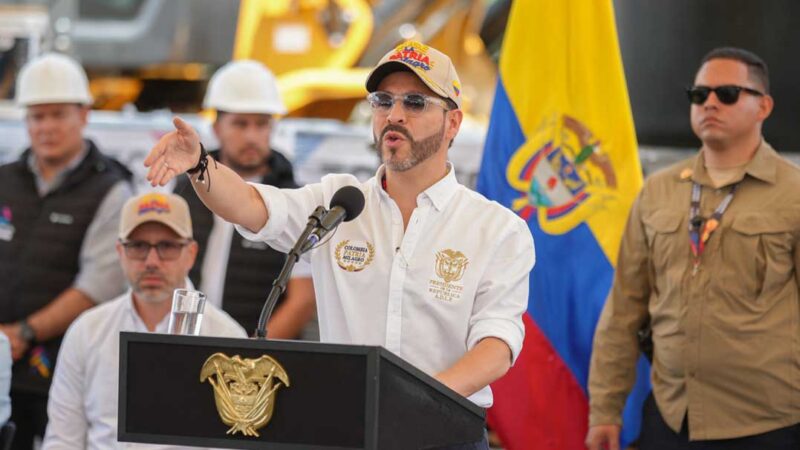
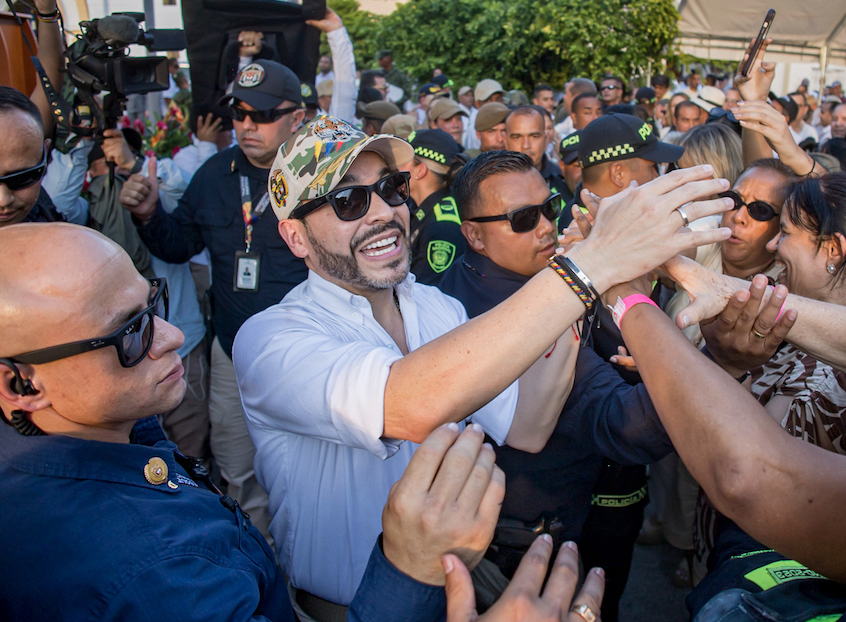
It was the morning after President Abelardo De la Espriella arrived in Santa Marta wearing a bulletproof vest, carrying a pistol and accompanied by heavily armed security personnel as he toured neighbourhoods affected by threats attributed to the Autodefensas Conquistadoras de la Sierra Nevada (ACSN), known to locals as ‘Los Pachenca’.
The president had ordered the militarization of the city after the group announced a 48-hour armed strike in retaliation for the death of José Luis Pérez Villanueva, alias Cholo, described by the government as the organisation’s second-in-command and financial operator. Cholo was killed during a security operation in the rural Guachaca area on Monday, along with several other members of the organisation.
But by Wednesday, the immediate question in Santa Marta was no longer simply whether the armed forces could occupy the streets. It was what happens next.
The government says the city is under control. The Army confirmed Wednesday that a military deployment remains in place at strategic points across Santa Marta and its rural districts, in coordination with the National Police, following the threats and intimidation attributed to the armed group.
Yet the empty streets tell another part of the story.
The -Paro Armado – or armed strike imposed by the ACSN has already disrupted commerce, transport and tourism, with reports of businesses being ordered to close and vehicles being attacked or burned. On Monday and Tuesday, authorities reported intimidation of traders in several neighbourhoods, gunfire directed at commercial premises. By 4:00 pm on Tuesday, Colombia’s Air Force had dispatched 4 Kfirs from Barranquilla to fly over Santa Marta. The government’s response has been deliberately uncompromising.
De la Espriella travelled to Santa Marta on Tuesday night to personally oversee the response, chairing a security meeting with military and police commanders and Mayor Carlos Pinedo. He subsequently appeared in videos patrolling neighbourhoods including Cristo Rey and 11 de Noviembre, promising that the armed forces would remain on the streets.
“We’re going after every one of these criminals, without mercy,” the president said during his late-night walkabout. At another point, speaking from inside a protected vehicle in Gaira, he urged residents to return to their normal activities, saying the city was militarized and that the government would protect them.
But restoring confidence is different from deploying troops.
For a city whose economy depends heavily on tourism, restaurants, hotels, transport and street commerce, the longer-term test will be whether residents and visitors feel sufficiently secure to resume normal life once the immediate security operation recedes.
That question is particularly important because the government’s confrontation with Los Pachenca is not confined to Santa Marta’s urban perimeter.
The organisation’s principal territorial base is in and around the Sierra Nevada, and the government’s own account of Monday’s operation points to a continuing effort to locate other senior commanders, including Fredy Castillo Carrillo, alias ‘Pinocho’, as well as other identified leaders.
The military deployment in Santa Marta therefore represents only one part of a broader offensive.
The government has already made clear that it intends to pursue the ACSN rather than revive the negotiating framework that under Petro’s failed “total peace” agenda included the illegal armed group. In August, De la Espriella announced the termination of the government’s dialogue process with all criminal groups, saying his administration would pursue the restoration of territorial control and the dismantling of organized crime.
Santa Marta is now the first major test of that approach in a tourist city.
The immediate operation has demonstrated that the state can rapidly put large numbers of security personnel into the streets. The Army says the deployment remains active, while authorities have also reported arrests and the seizure of material allegedly intended for attacks.
But the harder task may be making the soldiers less visible.
A successful return to normality would mean more than empty streets becoming busy again. It would mean merchants reopening without intimidation, buses and taxis operating normally, tourists moving freely between the historic centre and the coast, and residents no longer making decisions about whether to leave home according to warnings circulated by an armed organisation.
For now, Santa Marta remains caught between those two images: a government determined to demonstrate that the state controls the city, and a city centre that has yet to fully behave as though the crisis is over.
De la Espriella came to Santa Marta to show that the government would not allow an armed group to dictate the city’s life. On Wednesday, the next question is harder to answer. Can the hardline government persuade Samarios that a city free from rampant extortion is possible?