
The death toll from Colombia’s powerful 7.4-magnitude earthquake rose to 181 on Tuesday, with over 1300 injured and estimated 200 missing as rescue crews continued searching collapsed buildings across the country’s western and central regions.
Authorities warned that the death toll is likely to rise as emergency teams work through the rubble of damaged and collapsed structures in Risaralda, Valle del Cauca, Quindío and Caldas, as well as Chocó and other affected departments.
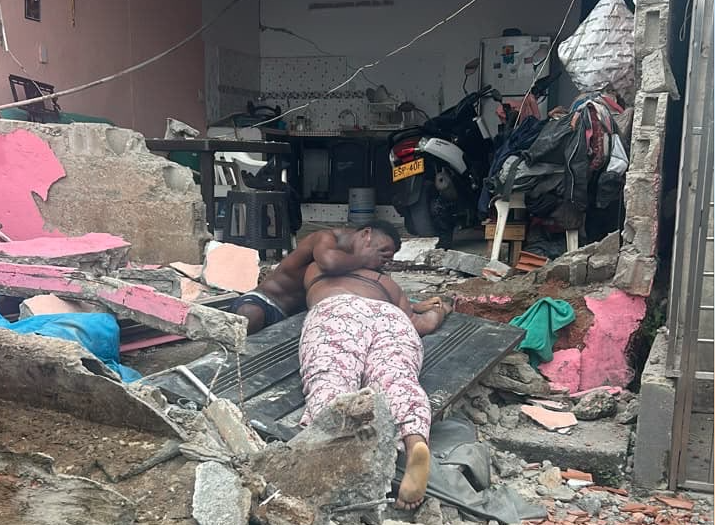
The most urgent operations are focused on buildings where authorities believe people may still be trapped. Rescue teams are working through unstable structures and piles of debris, with the search expected to continue for hours and potentially days.
The Colombia Geological Service (SGC) said the earthquake began at 7:34 a.m. Monday, with its epicenter near the municipality of San José del Palmar in Chocó, at a depth of approximately 103 kilometers. The earthquake was revised upward to magnitude 7.4 after initially being registered at 6.4 within minutes of the earthquake.
The main shock lasted over one minute, according to authorities, and has been followed by 54 aftershocks measuring 2.8 and 4.8 magnitude. The earthquake impacted most of Colombia’s 12 western and central departments, with the most severe destruction reported in Chocó, Valle del Cauca and the Coffee Region.
The scale of the disaster remains difficult to determine. Landslides have blocked roads leading to isolated communities, while damage to telecommunications infrastructure has disrupted communications and complicated efforts to establish the number of people affected.
Chocó faces a medical emergency
The department of Chocó, closest to the epicenter, is facing a particularly severe humanitarian emergency. Authorities reported 10 deaths and 170 injured people in the department, many of whom are expected to be transferred to other cities, including Medellín, because Chocó lacks sufficient hospital capacity for a disaster of this magnitude.
Governor Nubia Carolina Córdoba said the department has no third-level hospital and that the San Francisco de Asís Hospital, the only second-level facility, was overwhelmed within minutes of the earthquake.
Patients were forced to remain outside the hospital while authorities coordinated transfers and sought additional medical capacity elsewhere.
The situation has underscored the vulnerability of one of Colombia’s poorest and most geographically isolated departments, where damaged roads, landslides and communications failures are making the emergency response considerably more difficult.
Pereira rescue operation
In Pereira, capital of Risaralda, rescue crews have prioritized the search for survivors trapped beneath the remains of at least 19 buildings.
Several areas have been left without electricity, gas or water, adding to the difficulties facing emergency workers and residents.
The disaster has revived memories of the 1999 Eje Cafetero earthquake, which devastated Armenia and surrounding areas. Monday’s earthquake has again placed Colombia’s coffee-growing region at the center of a major national disaster.
Valle del Cauca heavily damaged
The emergency extends well beyond Cali. Authorities have reported serious damage across numerous municipalities in Valle del Cauca, with some communities facing particularly severe destruction.
In El Cairo, in northern Valle del Cauca, regional disaster officials said approximately 80 percent of homes may have collapsed, according to the department’s risk-management authorities.
The figure remains a preliminary assessment, but if confirmed it would make El Cairo one of the worst-affected municipalities in the department.
Cali has also reported major structural damage, with rescue operations continuing at damaged buildings and authorities assessing the safety of other structures.
Manizales and the Coffee Region
Manizales, departmental capital of Caldas, was among the cities where the earthquake caused highly visible structural damage. Part of the tower of the city’s historic cathedral collapsed during the tremor, while other buildings were damaged.
Armenia and Pereira also experienced severe shaking and structural damage.
The earthquake was felt across a broad section of western and central Colombia, including Antioquia, Bogotá, Risaralda, Valle del Cauca and Caldas. Residents in numerous cities reported prolonged shaking – up to to four minutes – while evacuation protocols were activated in residential complexes and office buildings.
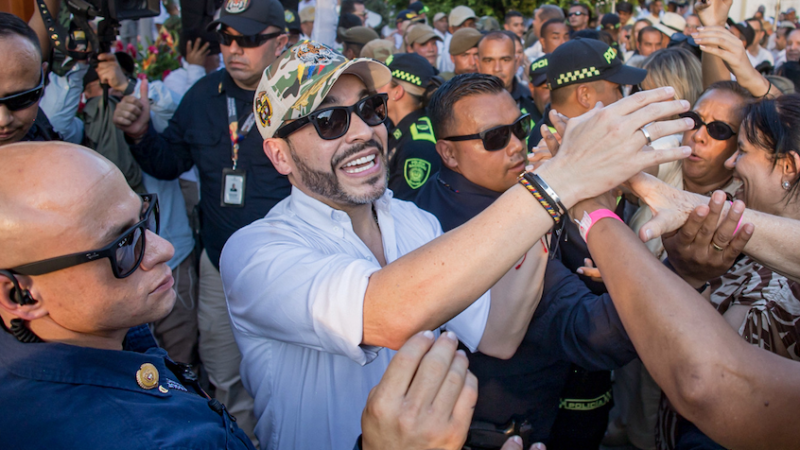
President Abelardo de la Espriella has been coordinating with governors and mayors in the hardest-hit regions as local authorities request additional resources for rescue, medical care and relief operations.
The immediate priority remains the same: find people who may still be alive beneath the rubble.
With communications still disrupted in some areas and roads blocked by landslides, authorities have yet to establish the full number of displaced and affected residents.
As search teams move deeper into collapsed buildings, officials are warning that the 132-death toll is provisional and could rise substantially.
The focus Tuesday is therefore shifting from damage assessment to a race against time: locating survivors before unstable structures, lack of access and the passage of time make rescue operations increasingly difficult.