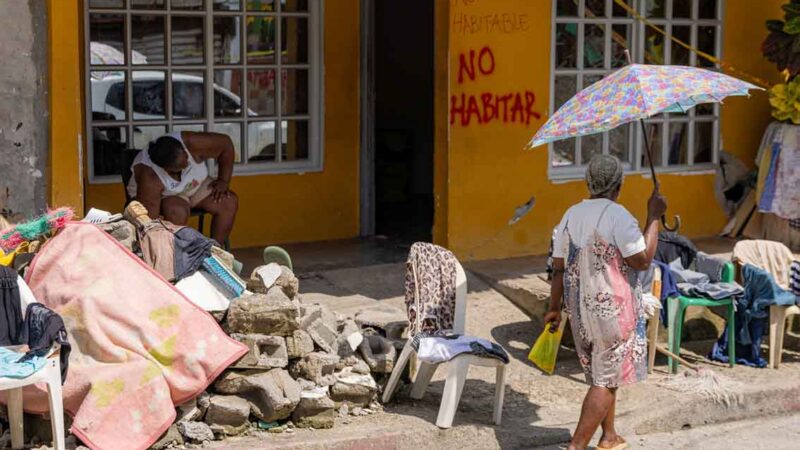

Powerful storm surges and weeks of unusually intense rainfall have triggered widespread flooding across Colombia’s Caribbean coast, affecting more than 50,000 families, damaging homes and infrastructure, and placing hundreds of thousands of livestock at risk, authorities said.
The floods have hit the Magdalena River basin and large swathes of northern Colombia, forcing beach closures in major tourist hubs and leaving vast rural areas under water, particularly in the department of Córdoba, one of the country’s most productive cattle-raising regions.
In Cartagena, Colombia’s flagship Caribbean destination, six-foot waves driven by strong winds washed ashore this week, prompting authorities to close beaches and confine tourists to hotels as storm conditions intensified. Local officials warned that continued rough seas could further disrupt port operations and tourism activity.
Córdoba has borne the brunt of the emergency. According to local authorities, up to 70% of the department remains flooded after rivers burst their banks following sustained heavy rainfall. The National Federation of Cattle Ranchers (Fedegán) said losses to agriculture and livestock production were already “in the millions of dollars.”
Leonardo Fabio de las Salas, Fedegán’s coordinator in Córdoba, said 20 municipalities were flooded, with 4,778 rural properties submerged and more than 263,000 animals at risk. “Córdoba is the most severely affected department so far,” he said.
The floods have killed at least five people in Córdoba and left 24 of its 30 municipalities in a state of emergency, according to Colombia’s disaster management agency.
Carlos Carrillo, director of the National Unit for Disaster Risk Management (UNGRD), confirmed that the entity will oversee the delivery of emergency aid kits to affected families. The agency said more than 7,500 humanitarian kits — including food, hygiene products, cooking supplies and blankets — have already been distributed in municipalities such as Ciénaga de Oro, Montelíbano, Moñitos and Puerto Libertador.
Additional deliveries are being extended to Canalete, Cereté, San Pelayo and San Bernardo del Viento, while a new phase of assistance has been scheduled for towns including Lorica, Sahagún, Valencia and Puerto Escondido, some 6,000 families are expected to receive aid this week.
Córdoba Governor Erasmo Zuleta described the situation as one of the worst climate emergencies the department has faced in recent years. “The balance for Córdoba is very sad, very hard,” Zuleta said in a radio interview. “We have 23 of our 30 municipalities affected, 12 of them in critical condition. Around 20,000 families are currently displaced or severely impacted by the rains.”
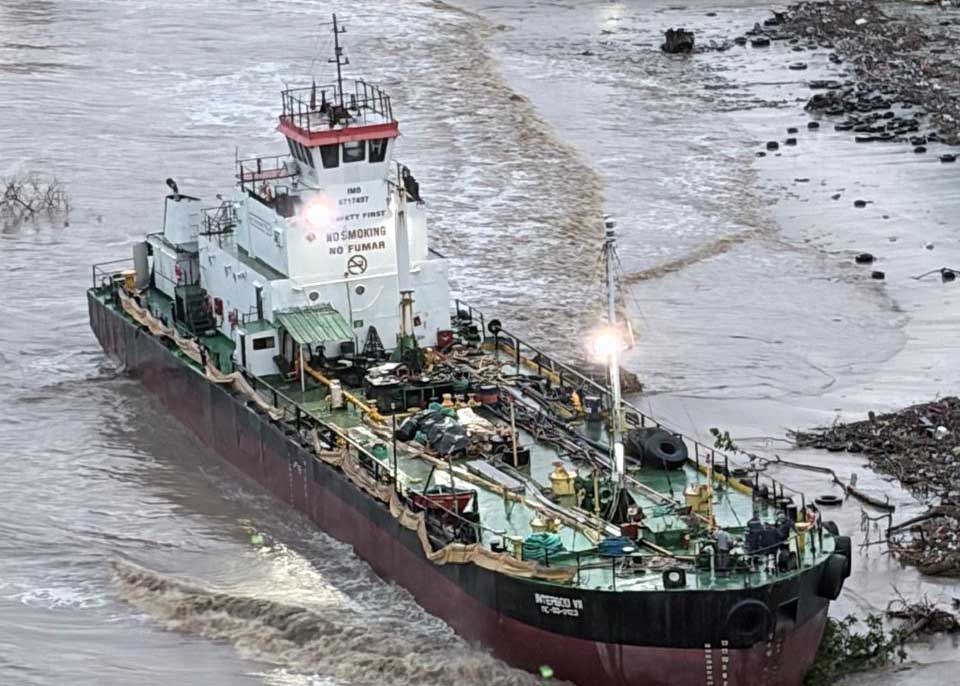
The extreme weather has not been confined to Córdoba. In Santa Marta, a diesel tanker ran aground on Los Cocos beach on Tuesday morning near the city’s historic center after losing maneuverability amid strong currents and gale-force winds. The vessel remained stranded overnight, with authorities saying hazardous sea conditions continued to hamper efforts to remove it.
The incident also highlighted the scale of debris and waste washed ashore by the storm surge along Colombia’s Caribbean coastline. Local authorities in Santa Marta, echoing measures taken earlier in Cartagena, ordered the temporary closure of beaches as a cold front from the northern hemisphere intensified rainfall, winds and rough seas across the region.
Residents filmed the cargo vessel as it became lodged in the sand just meters from the shore, near the city’s marina. Officials have not yet said how long it will take to refloat the ship, citing ongoing maritime risks.
The first months of 2026 have been marked by persistent and unusually heavy rainfall across Colombia, from the Caribbean coast to central and western regions. Authorities say swollen rivers, landslides and flash floods have destroyed homes, killed people and animals, and caused widespread material losses.
Meteorological officials have warned that further rainfall is expected in the coming days, raising concerns that flooding could worsen in already saturated areas as emergency services struggle to reach remote communities.