
Bogotá and the department of Cundinamarca are preparing to receive up to half a million visitors during Semana Santa 2026, as the Mayoralty unveiled an ambitious tourism campaign aimed at positioning the Colombian capital as a leading Easter destination in Latin America.
Branded “Paso a Paso, Caminando hacia la Pascua con María” (Step by Step, Walking Towards Easter with Mary), the initiative brings together the Alcaldía, departmental administration, tourism authorities and Archdiocese of Bogotá in a coordinated push to blend faith, heritage and culture into a single visitor experience.
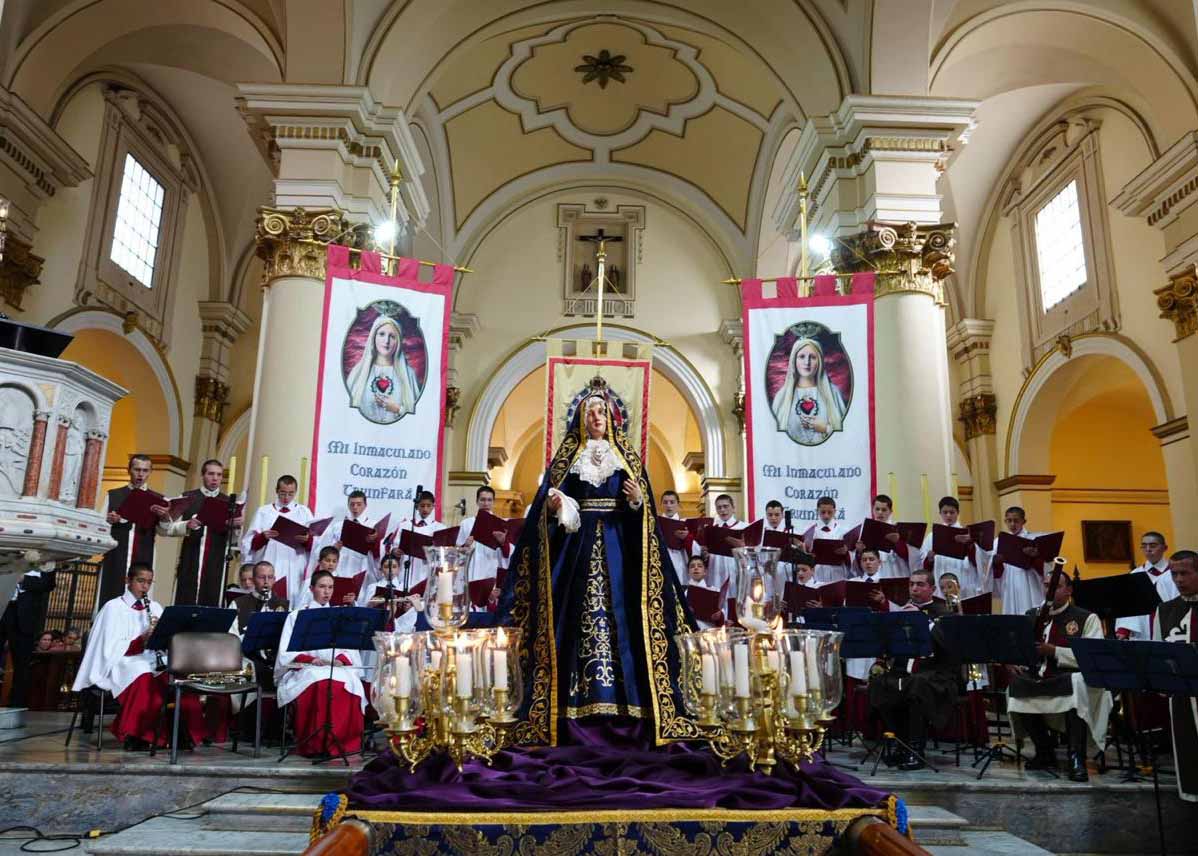
The programme was formally launched inside the historic Catedral Primada de Bogotá with a concert of sacred music performed by the Heralds of the Gospel – Knights of the Virgin, a Catholic association known for its Latin Marian chants and global presence in more than 70 countries.
City officials say the strategy is designed not only to attract pilgrims but also to broaden Bogotá’s appeal as a cultural capital during one of the most important periods in the Christian calendar.
Ángela Garzón, Bogotá’s head of tourism, said the city expects around 500,000 visitors over the Easter season, drawn to a destination that embraces religious tolerance and offers a programme including gastronomy, concerts and free cultural events.
“Guatemala joins Bogotá and Cundinamarca in this second edition with its centuries-old tradition of floral carpets,” Garzón said, referring to one of the launch’s most striking features: a vibrant, handcrafted sawdust and flower carpet laid at the cathedral’s entrance by Guatemalan artisans.
Regional pilgrimage circuit
At the heart of the campaign are newly promoted routes designed to guide visitors through Bogotá’s historic churches and neighbourhoods.
Two principal walking circuits will anchor the experience. The first winds through La Candelaria and the colonial centre, linking some of the city’s most emblematic churches, including San Francisco, Las Nieves and San Ignacio, before culminating at the cathedral.
The second explores Chapinero, where 20th-century urban expansion meets ecclesiastical architecture, with stops at Lourdes Basilica and other parish churches that reflect Bogotá’s more modern religious identity.
The city’s tourism promotion institute, IDT, will also promote themed circuits, including a historic centre route focused on Marian devotion—particularly the Virgin of Sorrows—and pilgrimages to iconic sanctuaries such as Monserrate, which draws thousands of pilgrims each year.
Further south, visitors are encouraged to explore the Basilica of the Divine Child in Bogotá’s 20 de Julio district, reflecting the diversity of popular religious practices across the city.
The presence of Guatemalan artisans at the launch underscored the campaign’s international dimension. Their intricate carpet – crafted using Colombian flowers – symbolizes shared religious traditions and cultural exchange across Latin America.
Guatemala’s Ambassador to Colombia, Óscar Villagrán, described the installation as an expression of “community construction” and noted that the tradition was recognised by the United Nations in 2022 as part of humanity’s intangible cultural heritage.
The campaign also places strong emphasis on the figure of the Virgin Mary, particularly the Virgin of Sorrows, whose symbolism of suffering, resilience and hope resonates deeply with Catholics across the hemisphere.
Brother Gabriel Escobar of the Heralds of the Gospel framed Semana Santa as a moment of unity. “It is a time for reflection and sharing… a message of fraternity, charity and hope with faith,” he said during the launch event.
Beyond religion: gastronomy and nature trails
While religious observance remains central to the agenda, the IDT is keen to present Bogotá as a multi-layered destination, with a programme that includes Easter-themed food circuits, sacred music concerts and art exhibitions.
Outdoor activities also feature prominently, with hiking and cycling routes linking religious landmarks, alongside ecotourism excursions to the high-altitude wetlands of Chingaza and Sumapaz.
Authorities are also highlighting the city’s religious diversity, from well-known Catholic sites to other places of worship, such as the Bogotá Temple of The Church of Jesus Christ of Latter-day Saints and local mosques.
This broader framing aligns with Bogotá’s evolving image as a destination where spirituality intersects with architecture, history and intercultural dialogue.
The joint Bogotá–Cundinamarca strategy is also an economic play, aimed at boosting local businesses during a peak tourism window while reinforcing regional identity.
Constanza Solórzano, head of Cundinamarca’s tourism institute, said the initiative strengthens ties between the city and its surrounding region through shared traditions and gastronomic alternatives.
By packaging Semana Santa as both a devotional journey and a cultural experience, Bogotá has positioned itself as a well-connected regional hub, inviting visitors to experience not only a place of celebration, but also a landscape of memory, faith and encounter—where centuries-old rituals unfold against the backdrop of a modern, diverse capital.
As Garzón put it, Bogotá during Semana Santa offers “a meaningful experience for residents and visitors alike”—one that moves, step by step, between the sacred and everyday rituals.