
In a city where fashion retail can often feel hurried, transactional and beholden to the churn of seasonal algorithms, WHITMAN builds its universe around a radically different proposition: that clothing should invite pause. Step inside one of the Colombian fashion house’s softly lit stores in Bogotá, Cartagena, Barranquilla, and Medellín, and there is an immediate sense that time has slowed by several degrees.
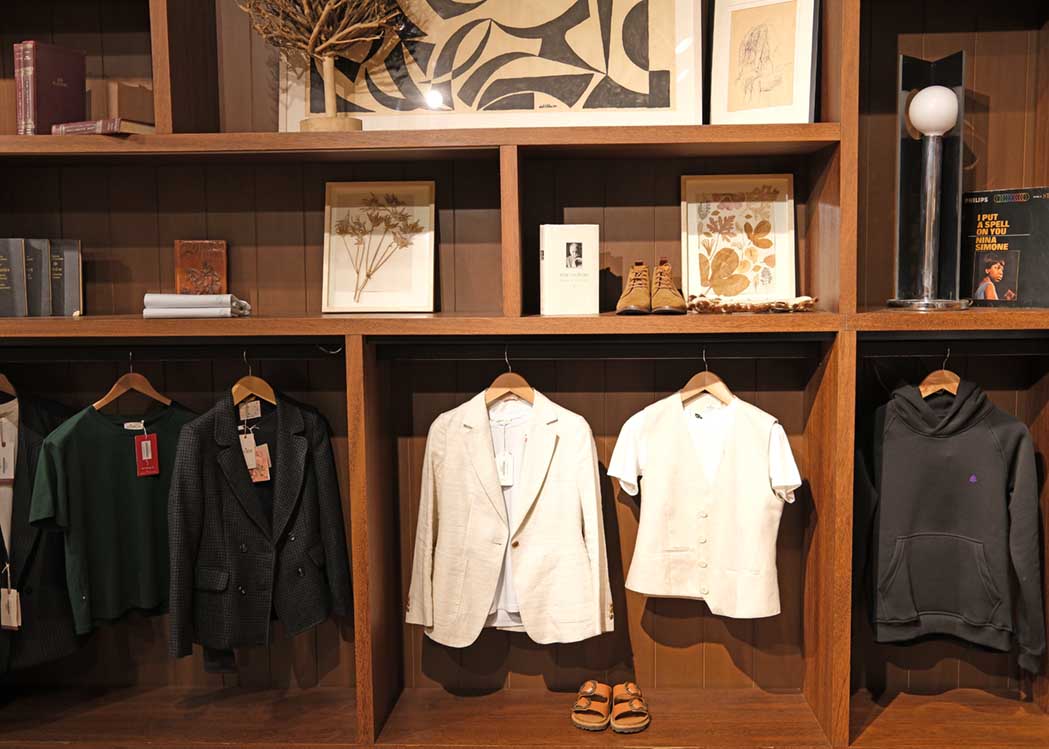
Harris Tweed jackets rest beside pastel-hued linen shirts, and Italian Merino wool jumpers hang near tailored overcoats fastened with tagua-nut buttons. A carefully curated playlist hums somewhere in the background. The experience resembles less a conventional boutique than the private library of a well-travelled aesthete.
Named after the great American poet Walt Whitman, whose seminal work Leaves of Grass celebrated the sacred beauty of the everyday and humanity’s intimate relationship with nature, WHITMAN has emerged over the past decade as one of Colombia’s most compelling premium lifestyle brands.
The label advances a philosophy its founders describe as “Slow Made”, though the phrase extends beyond tailoring or craftsmanship into a broader meditation on how people inhabit time itself. There is an unpretentiousness to the WHITMAN community — a quiet rejection of excess and spectacle — rooted instead in simplicity, permanence and a profound connection to the natural world.
Founded by brothers Felipe and Sebastián Falla, who hail from the southern Colombian city of Neiva, WHITMAN began modestly in 2014 designing outerwear for men. Colombia’s fashion industry at the time was still heavily associated with mass-market denim, fast-growing textile conglomerates and tropical resort wear. Menswear, particularly tailored menswear, often occupied a conservative and uninspired corner of the market. WHITMAN entered that landscape with something altogether more literary and contemplative.
“From a very young age we were curious about art and music,” Felipe Falla says of the brothers’ early influences, which ranged from cinema and gastronomy to the melancholic lyricism of Leonard Cohen. Before launching the label, Felipe worked in advertising campaigns for major brands while Sebastián studied gastronomy in Buenos Aires, another passion that would later shape the sensory universe surrounding WHITMAN stores. “Life gave us the opportunity to serve,” the brothers explain of the company’s mission, “and this project exists as a platform for growth and transformation.”
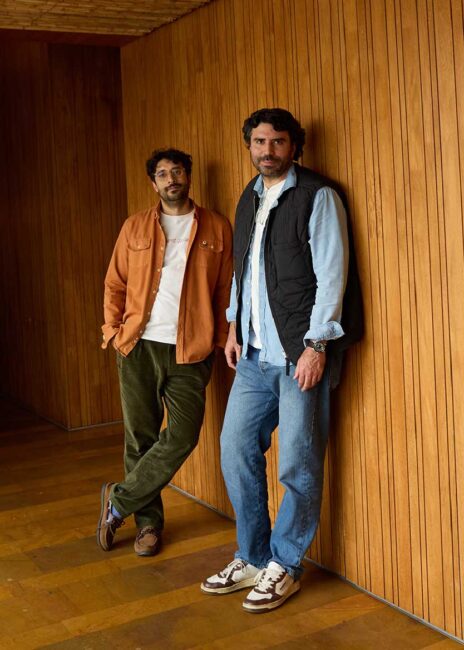
That language might sound grandiose were it not so carefully embodied in the garments themselves. WHITMAN’s tailoring is meticulous without becoming rigid. Jackets in Harris Tweed wool retain a reassuring weight and texture rarely encountered in contemporary ready-to-wear. Their made-to-measure suits, inspired by Savile Row traditions and constructed using top-tier textiles, favour timeless silhouettes over exaggerated cuts.
Each blazer is designed to age gracefully rather than remain pristine. Even their shirts — including guayaberas intended for that “magic hour” between afternoon and evening — are treated with near-ceremonial attention. Clients are encouraged to personalise collars, cuffs and fit through WHITMAN’s in-house tailoring service. Rather than pursuing relentless seasonal turnover, WHITMAN releases limited-edition “capsules” built around fabrics, textures and moods, reinforcing the brand’s philosophy that clothing should be collected slowly and lived in fully.
Increasingly, WHITMAN has evolved beyond clothing into a broader lifestyle proposition. Its “Home Collection” introduces visitors to hand-painted ceramics, artisanal candles and small-batch chocolate sourced from carefully curated cacao harvesters across Colombia. Guests visiting the stores are often offered cups of “La Molienda”, a Huila Arabica coffee that reflects the founders’ attachment to their Andean roots and tradition of hospitality. The atmosphere feels intentionally domestic rather than commercial — a place designed to make clients linger, converse and reconnect with slower rhythms of living.
The company’s commitment to craft extends deeply into Colombia’s artisanal traditions. WHITMAN works closely with women artisans from the department of Cauca, incorporating delicate embroidery into its women’s wear collections and preserving techniques passed through generations. In doing so, the brand positions craftsmanship not as decorative nostalgia but as a living cultural dialogue between fashion, territory and memory.
The company’s flagship boutique near Bogotá’s upscale Centro Andino shopping district has become something of a pilgrimage site for Colombia’s emerging creative class: architects, filmmakers, restaurateurs and musicians who regard clothing less as conspicuous consumption than as an extension of cultural identity. WHITMAN’s expansion to five stores in Bogotá, as well as boutiques in Cartagena, Barranquilla and Medellín, reflects how successfully the brand has tapped into a regional appetite for understated luxury rooted in authenticity.
Crucially, WHITMAN’s refinement does not exist in opposition to sustainability but alongside it. The brand works with organic cottons and Indian block prints while openly acknowledging the contradictions inherent in the fashion industry. “We do not believe sustainability is an absolute claim,” the company notes in its manifesto, “but a constant exercise of consciousness, revision and responsibility.” It is a refreshingly nuanced position in an era when many fashion houses deploy ecological language as little more than marketing varnish.
The WHITMAN approach instead suggests that sustainability begins with permanence: clothing designed not to be discarded after one season. In this respect, the label belongs to a wider international movement challenging the disposability of modern consumption. Its “Slow Made” philosophy prioritises craftsmanship over industrial repetition, quality over quantity and emotional attachment over instant gratification. To purchase a WHITMAN “Loretto” overcoat or dark-blue “Poet” blazer is, in some sense, to reject the accelerated rhythms of fast fashion altogether.
There are also echoes here of the old-world ateliers that once defined European tailoring culture. WHITMAN’s made-to-measure programme remains entirely hand-finished, preserving artisanal techniques passed from one generation of tailors to the next. The process unfolds deliberately: fabric selection, inner lining, structure, stitching and finishing all treated as rituals rather than stages of production. “The true value of bespoke tailoring,” WHITMAN argues, “lies in its capacity to reflect authenticity.”
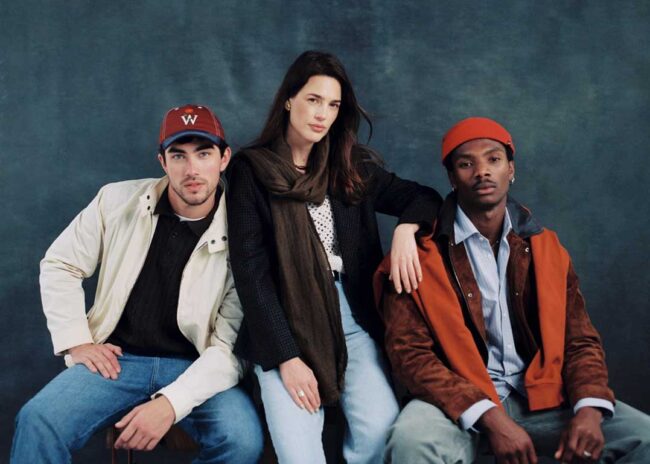
That sensibility extends beyond clothing into cultural patronage. WHITMAN has positioned itself as an active supporter of Colombia’s artistic ecosystem, sponsoring emerging cultural initiatives and independent artists. At Bogotá’s prestigious ARTBO art fair, the company awards the annual Premio Whitman to emerging artists participating in the ArteCámara section, reinforcing the brand’s dialogue with contemporary art and design. The label has also forged close ties with Colombia’s film world, dressing the jury for the “Cine en los Barrios” category at the Festival Internacional de Cine de Cartagena de Indias, better known as FICCI, the oldest film festival in Latin America.
International expansion has followed organically. In 2024, WHITMAN announced its arrival in Mexico with two stores and hinted at ambitions extending towards the United States, Spain and wider European markets. Yet unlike many Latin American brands eager for overseas validation, WHITMAN appears less interested in aggressive scale than in cultivating a community united by shared values: appreciation for music, art, nature and intentional living.
That perhaps explains why WHITMAN feels distinct within Colombia’s increasingly sophisticated fashion landscape. The brand is not merely selling jackets or linen shirts. It is offering a slower tempo of life — one in which elegance is measured not by spectacle but by permanence, texture and thoughtfulness. And if WHITMAN represents a new kind of menswear energy emerging “from Colombia to all of Latin America”, it also channels something of the Scottish Highlands, the understated elegance of Bond Street and the urban edge of St Urbain Street in Cohen’s fabled Montreal.
For a label named after a poet who celebrated beauty in ordinary existence, that feels entirely fitting. Or, as WHITMAN’s Brand and Partnerships Lead, Laura González Saavedra, puts it with understated simplicity: “wearing a WHITMAN makes you feel at home.”
Follow WHITMAN at @WHITMAN_CO or visit WHITMANSTORE.COM
Or visit their flagship store at Paseo de la Cabrera, Carrera 11 No. 84A-09, Bogotá.