

The stunt began, as so many do in the age of viral fame, driven by the need to provoke a reaction.
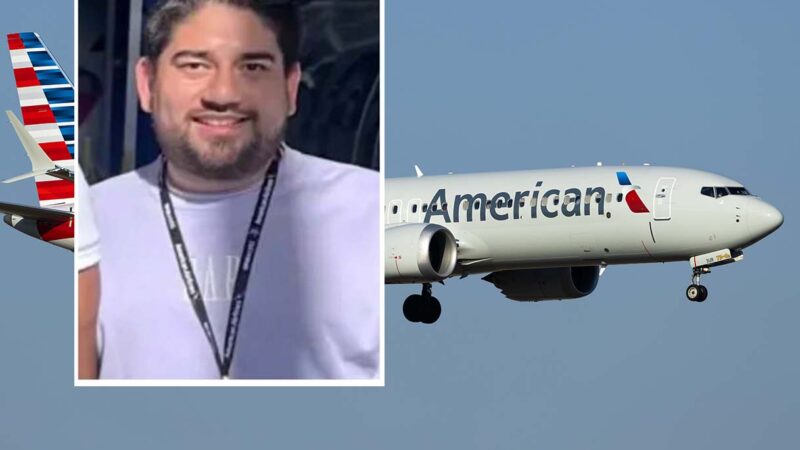
At 35,000 feet above the Atlantic, inside the sealed cabin of an Avianca B-787 ‘Dreamliner’ en route from Bogotá to Madrid, passengers aboard flight AV46 were unwitting participants in what has since become one of the most reckless influencer incidents in recent memory. At the center of it: Yeferson Cossio, a content creator whose appetite for shock value appears to have outpaced even the most basic understanding of context.
The incident occurred on March 11, 2026, during the long-haul crossing between Colombia and Spain – a route that typically lasts close to 10 hours and operates far from diversion airports for much of its duration. According to Avianca, Cossio activated “an odor-generating chemical device” mid-flight, releasing a strong, foul smell inside the cabin. Several passengers reportedly complained of discomfort, while others grew concerned about the nature of the substance.
What may have been conceived as a prank for social media rapidly escalated into a situation requiring intervention from the cabin crew, who followed established safety protocols for unknown substances in flight. In aviation, any unexplained odor – particularly one described as chemical – can trigger alarm, given the potential risks ranging from toxic exposure to onboard system malfunctions.
There is a particular kind of arrogance required to mistake a transatlantic flight for a social media stage.
Aircraft cabins are not neutral spaces. They are tightly controlled environments governed by strict international safety regulations, with air continuously recirculated through pressurization systems. Introducing any foreign substance – no matter how trivial its intent – can compromise not only passenger comfort but also operational safety.
Avianca’s response was swift and unequivocal. In an official statement, the airline confirmed it had terminated Cossio’s contract of carriage upon arrival and canceled his return ticket, citing “disruptive behavior” that affected “security, order, discipline, and sanitation” on board. The company also announced it would pursue legal action.
The airline went further, emphasizing the context: the aircraft was flying over the Atlantic Ocean at the time of the incident, limiting options for emergency diversion. Under such conditions, even a perceived threat can escalate quickly, placing additional pressure on crew and passengers alike.
Cossio, who commands more than 12 million followers on Instagram and upwards of 19 million on TikTok, has since denied the allegations. He claims the incident has been misrepresented and insists he will release video footage to clarify what happened, dismissing the reports as “gossip” and false accusations.
But denial does little to erase the broader implications.
The influencer has built his online persona around shock-driven content – often involving elaborate setups designed to provoke strong reactions. In previous videos, similar “odor-based” gags have been used on friends and acquaintances. Transplanting that formula into a commercial aircraft, however, represents a significant escalation.
In the algorithmic economy of social media, outrage is currency. Platforms reward engagement – clicks, shares, comments – often amplifying the most extreme content. For influencers, this creates constant pressure to push boundaries further, to transform everyday situations into spectacles.
But what happens when that spectacle unfolds in a high-risk, regulated environment?
The incident has reignited debate in Colombia over the limits of digital content and the responsibilities of public figures. Avianca used the moment to call on lawmakers to advance a Proyecto de Ley 153 de 2025, aimed at strengthening sanctions against conflictive passengers and enhancing protections for airline crews.
The aviation industry, both in Colombia and globally, has reported a rise in unruly passenger behavior in recent years. From altercations to non-compliance with safety instructions, the incident comes amid a wider shift in airline policy toward stricter enforcement of passenger conduct. Carriers are increasingly drawing hard lines around behavior once dismissed as merely inconsiderate. United Airlines, for instance, recently updated its contract of carriage to require passengers to use headphones when listening to personal devices, explicitly reserving the right to remove those who refuse and even ban repeat offenders.
The message is clear: in the confined, high-stakes environment of a commercial aircraft, disruption – no matter how trivial it may seem on the ground – is no longer tolerated. And for the passengers aboard AV46, the experience was not content. It was a disruption – uninvited, unsettling, and entirely avoidable.