
Nearly three months after the death of Senator Miguel Uribe Turbay, Colombian authorities say they are closing in on what they believe is the most powerful hypothesis to date: that the illegal armed group Segunda Marquetalia ordered the killing. The claim, made by the new director of the National Police, General William Oswaldo Rincón Zambrano, marks the first time a senior official has directly linked the dissident FARC faction to the June 7 attack that shook the country’s political landscape.
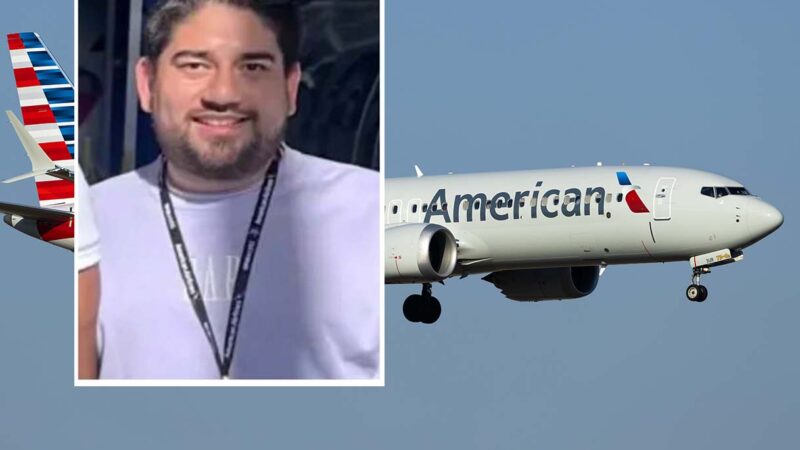
The development comes after the arrest of Simeón Pérez Marroquín, known as “el Viejo,” identified as the ninth suspect and described by investigators as the key bridge between the intellectual authors of the attack and the criminal cell that carried it out. Defense Minister Pedro Sánchez and General Rincón announced that Pérez Marroquín’s capture in Puerto Lleras, Meta, on October 27 represents the most significant breakthrough in the investigation so far.
According to investigators, “el Viejo” allegedly planned, coordinated, and issued operational orders to the hit squad that executed the attack against the 36-year-old senator and presidential precandidate from the Centro Democrático party. While the Fiscalía has not formally attributed responsibility to Segunda Marquetalia, police sources insist the dissident faction is the “strongest line of investigation.”
Uribe Turbay was shot on June 7 at a campaign event in Bogotá’s Modelia neighborhood, struck by three of eight shots fired by a 15-year-old hitman using a modified Glock pistol. The minor was apprehended by Uribe’s bodyguards and later sentenced to seven years in a juvenile facility.
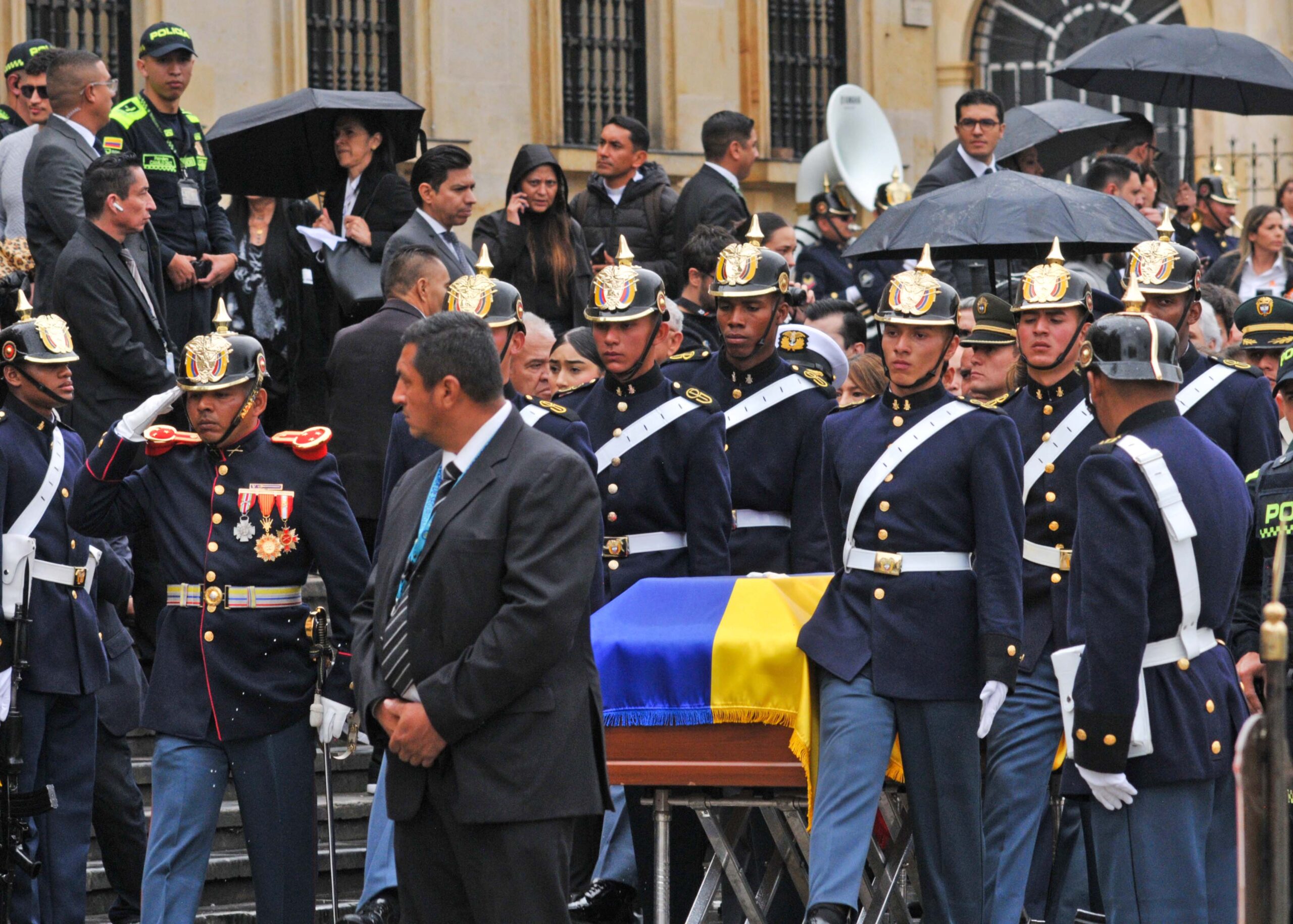
The senator fought for his life for 65 days in the ICU of Fundación Santa Fe before dying on August 11, triggering national mourning and a sprawling investigation that has since expanded across Bogotá, Caquetá, Meta, and several prisons.
Colombia’s Fiscalía has emphasized that all indications point to a politically motivated assassination, with evidence showing the weapon and ammunition had been altered and that several suspects coordinated logistics days in advance. As the investigation deepened, authorities began identifying an increasingly structured criminal network behind the teenage gunman.
Since June, prosecutors and police have arrested nine adults and processed two minors linked to the attack. Those apprehended include logistical operators, coordinators, drivers, and intermediaries allegedly involved in surveillance, weapons delivery, and planning meetings.
Among those captured:
- Carlos Eduardo Mora González, who scouted the crime scene and traveled in the vehicle that transported the shooter, was sentenced to 21 years in prison after accepting charges.
- Katerine Andrea Martínez, captured in Caquetá, was allegedly among those who delivered the firearm to the minor.
- Elder José Arteaga Hernández, alias “Costeño” or “Chipi,” considered the logistical mastermind, was captured in July after Interpol issued a red notice.
- Harold Daniel Barragán Ovalle, alias “Harold,” arrested in late August, is accused of coordinating with multiple accomplices and managing the movement of the hit squad.
- Jhorman David Mora Silva, the eighth suspect, was judicialized while already serving time for theft.
The case has also seen dramatic twists, including the brief disappearance of a 17-year-old who had entered witness protection before escaping from a child welfare center. Authorities later recaptured him.
But it is the capture of “el Viejo” that has reshaped the trajectory of the inquiry. Investigators say Pérez Marroquín had direct contact with the higher-ranking structure believed to have ordered the killing. According to General Rincón, the working hypothesis is that the plot was not merely the work of a localized criminal group in Bogotá, but rather part of a broader political and military strategy by Segunda Marquetalia, led by FARC dissident commanders who rejected the 2016 peace accord.
Sources involved in the case describe “el Viejo” as the “operational hinge” — the man who allegedly received instructions from the determinadores and assembled the group that carried out surveillance, logistics, and ultimately the assassination attempt.
His arrest followed months of intelligence work, including geolocation tracking and analysis of communications between imprisoned suspects and networks operating in Meta and Caquetá. If confirmed, the involvement of Segunda Marquetalia would elevate the killing to one of the most significant political assassinations in Colombia since the 1990s.
The Attorney General has already modified charges against five adult suspects following Uribe Turbay’s death, upgrading attempted homicide to consummated aggravated homicide. Charges include aggravated homicide, conspiracy to commit crime, use of minors for criminal activity, illegal possession of firearms and obstruction or destruction of evidence.
The arrest of “el Viejo” has given investigators what they call their strongest lead yet — one that, if proven, would mark Miguel Uribe Turbay’s assassination not only as a national tragedy, but a strategic act ordered by one of Colombia’s most notorious dissident factions.